


Table of Contents
- Mastering AIP Meal Prep: Your Guide to Kitchen Confidence
- Why This AIP Meal Prep Strategy Works
- Essential AIP Ingredients & Smart Substitutions
- Your Step-by-Step AIP Meal Prep Blueprint
- Expert Tips for AIP Meal Prep Success
- What to Pair with Your AIP Prepped Meals
- Storing & Reheating Your AIP Meals
- AIP Meal Prep FAQs
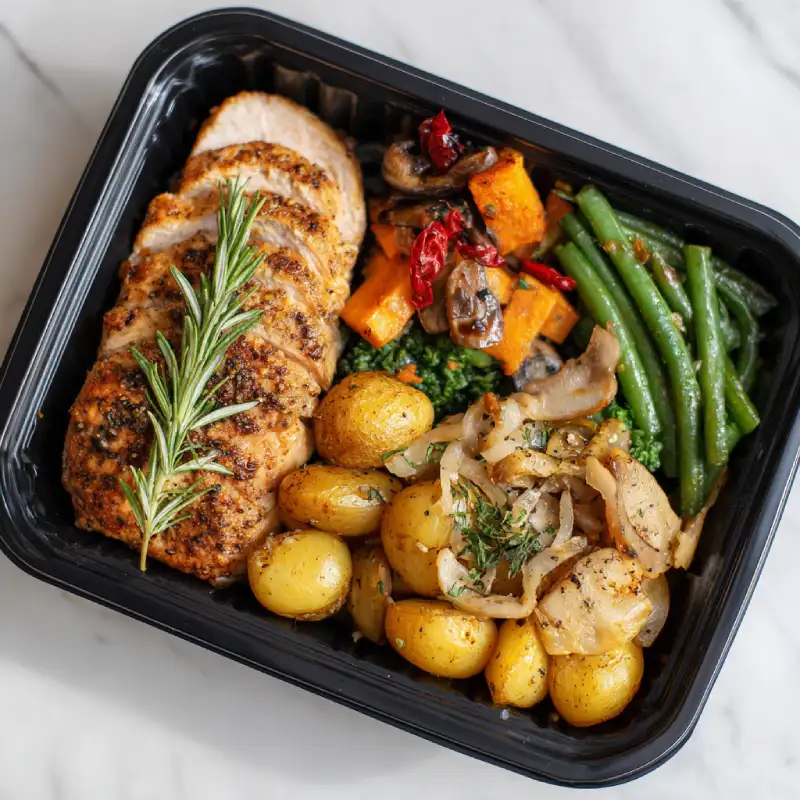
Are you tired of feeling overwhelmed by the Autoimmune Protocol (AIP)? Do you dream of opening your fridge to perfectly prepped, delicious, and compliant meals that practically jump onto your plate? Imagine savory, perfectly cooked proteins, vibrant, tender vegetables, and rich, flavorful sauces all waiting to create a satisfying meal in mere minutes. This isn’t just a dream; it’s the reality you can achieve with effective AIP meal prep. And guess what? It’s easier than you think! If you’re looking for more easy recipes and a guiding hand in the kitchen, See more good recipes here to elevate your cooking game while staying on track with your health goals. This guide is your passport to conquering AIP meal prep, transforming your kitchen into a haven of health and convenience. We’re going beyond just making food; we’re crafting a lifestyle, ensuring that delicious, compliant options are always within reach, almost like having your own personalized AIP meal delivery service right at home!
Mastering AIP Meal Prep: Your Guide to Kitchen Confidence
Why I Trust This Meal Prep Method (And You Should Too!)
As someone who has navigated the intricacies of the Autoimmune Protocol, I can tell you firsthand that consistency is key. And consistency, especially with a therapeutic diet, is nearly impossible without a solid plan. That’s why I trust and wholeheartedly recommend a strategic approach to AIP meal prep. It removes decision fatigue, reduces the temptation to grab non-compliant foods, and ensures you’re nourishing your body with every bite. You’ll gain back precious time during busy weekdays and feel a profound sense of control over your health journey.
The Power of Preparedness: Setting Up for AIP Success
Think of meal prep as setting yourself up for success – it’s like pre-loading your week with good habits. When your fridge is stocked with AIP-friendly ingredients and components, compliant meals become the path of least resistance. This preparedness isn’t just about food; it’s about reducing stress, saving money by minimizing impulse buys, and cultivating a proactive mindset towards your well-being. It’s the foundation upon which your AIP journey thrives.
Why This AIP Meal Prep Strategy Works
- Optimizes Flavor Development: By prepping components like roasted vegetables or slow-cooked proteins, flavors have time to deepen and meld, creating more delicious meals throughout the week.
- Ensures Ingredient Compatibility: Our strategy prioritizes understanding AIP-compliant ingredients, making sure every component you prep can be mixed and matched without worry.
- Maximizes Nutritional Density: We focus on nutrient-rich, whole foods, ensuring your prepped meals are packed with the vitamins and minerals your body needs for healing.
- Streamlines Cooking Process: Instead of cooking three times a day, you dedicate a block of time to cook in batches, drastically reducing daily cooking effort and cleanup.
Essential AIP Ingredients & Smart Substitutions
Proteins: Why Pasture-Raised Matters (and Alternatives)
Pasture-raised meats (beef, lamb, pork, chicken): These are superior because the animals are raised on their natural diet, leading to higher nutrient content (especially Omega-3s) and fewer inflammatory compounds compared to conventionally raised animals. When it comes to AIP meal delivery or prepping your own, prioritize quality here. If pasture-raised is out of reach, organic and grass-fed are good alternatives. Look for wild-caught fish like salmon, cod, or sardines for excellent protein and healthy fats.
Veggies: Starchy vs. Leafy – The Foundation of Flavor
Starchy vegetables (sweet potatoes, plantains, squash, taro root): These provide essential carbohydrates and fiber, giving your meals substance and satisfying energy. They roast beautifully and can be pureed into sauces. Leafy greens (spinach, kale, collards, arugula): Packed with vitamins and minerals, these are versatile. Sauté them, add to soups, or use as a fresh bed for your proteins. Aim for a rainbow of colors to maximize nutrient intake.
Healthy Fats: MCT, Avocado, Coconut – Source & Use
Avocado oil: Excellent for higher-heat cooking and dressings due to its neutral flavor and high smoke point. Olive oil (extra virgin): Best for finishing dishes or lower-heat cooking to preserve its delicate flavor and antioxidants. Coconut oil: A versatile fat for cooking, baking, and even adding to smoothies. Provides medium-chain triglycerides (MCTs) for energy. MCT oil: A concentrated source of medium-chain triglycerides, great for a quick energy boost in dressings or smoothies, but avoid high heat. Always choose unrefined and organic where possible.
Flavor Boosters: Herbs, Spices, & Umami (AIP-Approved Options)
Fresh and dried herbs (rosemary, thyme, oregano, basil, cilantro, dill, parsley): These are your best friends on AIP for adding incredible depth without relying on nightshades or seed-based spices. AIP-compliant spices (ginger, turmeric, cinnamon, mace, saffron): Use these liberally! Turmeric and ginger are powerful anti-inflammatories. Umami sources (nutritional yeast, mushrooms, sea vegetables like dulse or nori): These add a savory, satisfying depth. Nutritional yeast provides a cheesy flavor, while mushrooms and sea vegetables enhance overall richness.
Produce Picking: Freshness & Storage Considerations
Always opt for fresh, seasonal produce when possible – it tastes better and is often more nutrient-dense. When picking, look for vibrant colors, firmness, and absence of blemishes. Store leafy greens in airtight containers with a paper towel to absorb moisture. Root vegetables and squash prefer cool, dark places. Berries and delicate fruits should be washed just before use to prolong their shelf life.
Your Step-by-Step AIP Meal Prep Blueprint
1. Planning & Sourcing Ingredients
Start with a simple meal plan for the week. Choose 2-3 proteins, 3-4 different vegetables, and one or two sauce bases. Create a comprehensive shopping list. Prioritize going to farmers’ markets for fresh produce and reputable butchers for pasture-raised meats. Check your pantry for AIP-compliant oils, herbs, and spices. Being organized at this stage makes the rest of the process flow smoothly.
2. Prepping Your Proteins (Batch Cooking Methods)
Dedicate time to cook your proteins in bulk. This can include baking a whole chicken, slow-cooking a large cut of beef or pork, or pan-searing portions of fish. For example, roast 3-4 chicken breasts with herbs, or make a big batch of shredded pork in your slow cooker. This foundational protein can then be used in various meals throughout the week.
3. Vegetable Power Prep (Chop, Roast, Steam)
Wash, chop, and prepare your vegetables. Roast hardier vegetables like sweet potatoes, broccoli, and carrots in a large batch. Steam or blanch greens like kale and spinach. Slice cucumbers, bell peppers (if reintroduced), and carrots for snacking or quick additions. Having a variety of cooked and raw veggies ready makes meal assembly incredibly fast.
4. Crafting Flavorful Sauces & Dressings
Sauces are the secret to preventing meal prep boredom! Make a batch of AIP-compliant vinaigrette with olive oil, apple cider vinegar, and herbs. Blend up an avocado-lime dressing, or simmer a coconut milk-based curry sauce. Store these in separate containers. They can transform a simple protein and veggie combo into an exciting new dish.
5. Assembling Your Weekly Menu
Once components are prepped, decide how you’ll combine them for each day’s meals. You might have roasted chicken with steamed broccoli and an avocado dressing one day, and shredded pork with roasted sweet potato and a side of sautéed greens the next. Label your containers clearly with contents and date to ensure freshness and easy identification.
Expert Tips for AIP Meal Prep Success
- Avoid Recipe Burnout: Rotate Ingredients: Don’t make the same meal five times in a row. Use your prepped components to create variations. Chicken can go into a salad, a stir-fry, or a lettuce wrap throughout the week.
- Leverage Your Freezer: Batch & Freeze: Cook double batches of stews, soups, or even cooked proteins. Portioned and frozen, these are life-savers for weeks when you don’t have time to prep.
- Smart Storage Solutions: Containers & Labeling: Invest in good quality glass containers. They’re non-toxic and excellent for reheating. Label everything with the date and contents; it saves so much guesswork later.
- Don’t Overcomplicate: Simple is Sustainable: You don’t need gourmet meals every day. Focus on solid, nourishing basics. A well-cooked protein with a variety of vegetables is perfectly satisfying and compliant.
- Taste Test as You Go: Adjusting Flavors: Don’t be afraid to taste and adjust seasonings while cooking. A little extra salt, a squeeze of lemon, or more herbs can make a huge difference in the final flavor.
What to Pair with Your AIP Prepped Meals
Simple Sides for Quick Additions
Often, your prepped meals just need a little something fresh to complete them. Think sliced avocado, a handful of fresh berries, a side salad with prepped greens and a simple dressing, or a small bowl of fermented vegetables like sauerkraut (ensure it’s compliant, without non-AIP ingredients). These additions provide texture, freshness, and often beneficial probiotics.
Refreshing Drinks & Infusions
Stay hydrated with filtered water, perhaps infused with cucumber and mint or berries. Herbal teas like peppermint, ginger, or chamomile are excellent and soothing options. Coconut water can also be a refreshing choice, providing electrolytes.
AIP-Friendly Dessert Ideas (Minimal Prep)
For a sweet treat, keep it simple. Sliced fruit (like apples or pears baked with cinnamon), a small portion of pureed pumpkin or sweet potato sweetened with a touch of maple syrup and spiced with ginger, or a cup of herbal tea can satisfy a sweet craving without additional heavy prep.
Storing & Reheating Your AIP Meals
Optimal Refrigeration Times
Most prepped AIP meals, when stored properly in airtight containers, will last 3-4 days in the refrigerator. Cooked proteins and vegetables should be cooled completely before refrigerating to prevent bacterial growth. Labeling with the prep date helps you track freshness.
Freezing Guidelines for Longevity
Many AIP components freeze beautifully for up to 3 months. Cooked meats, stews, soups, and roasted root vegetables are good candidates. Freeze in individual portions to make reheating easier. Ensure containers are freezer-safe and airtight to prevent freezer burn.
Best Methods for Reheating Without Compromising Taste
For most meals, gentle reheating is key. The microwave is convenient but can sometimes dry out food; add a splash of broth or water. The stovetop is excellent for rewarming soups, stews, or sautéing prepped veggies. The oven or toaster oven works well for roasted items, helping to crisp them up again. Avoid overheating to preserve nutrients and texture.
AIP Meal Prep FAQs
How long do prepped AIP meals last?
Can I use frozen vegetables for AIP meal prep?
What are the best AIP protein options for meal prepping?
How do I prevent my prepped meals from tasting bland?
Is it necessary to prep all meals at once?
AIP Meal Prep Basics: From Kitchen to Convenience
- Total Time: 1 minute
- Yield: 7-10 servings (1 week of meals)
Description
Learn to confidently conquer AIP meal prep for delicious, compliant meals. This guide provides practical steps, ingredient insights, and preparation strategies.
Ingredients
- Proteins: 2-3 lbs pasture-raised chicken (breasts/thighs) or beef chuck roast, or 1.5-2 lbs wild-caught salmon fillets
- Starchy Vegetables: 4 sweet potatoes, 2 butternut squash, or 3-4 plantains
- Leafy Greens: 1 large bag spinach or kale, 1 head romaine lettuce
- Cruciferous/Other Veggies: 2 heads broccoli, 1 large zucchini, 1 bunch carrots
- Healthy Fats: 1 cup olive oil, 1/2 cup avocado oil, 1/4 cup coconut oil
- Flavor Boosters: Fresh herbs (rosemary, thyme, parsley, cilantro), Dried AIP-compliant spices (ginger, turmeric, cinnamon), 1-2 lemons or limes, 1/4 cup apple cider vinegar, Sea salt, Black pepper (reintroduction pending)
- Optional Sauce Ingredients: 1 can full-fat coconut milk, 2-3 avocados, 1 bunch dill
Instructions
- Phase 1: Plan Your Menu: Choose 2-3 proteins, 3-4 side vegetables, and 1-2 dressing/sauces for the week. Create a shopping list.
- Phase 2: Prep Proteins: Roast chicken breasts (400°F for 20-25 mins) or slow-cook beef roast (until tender, about 4-6 hours on high). Cook thoroughly and let cool.
- Phase 3: Cook Vegetables: Chop hardier vegetables like sweet potatoes and squash. Toss with olive oil, salt, and herbs; roast at 400°F until tender (30-45 mins). Steam or sauté leafy greens just until wilted.
- Phase 4: Make Sauces/Dressings: Prepare an AIP vinaigrette (olive oil, apple cider vinegar, lemon juice, herbs, salt). For a creamy sauce, blend avocado with lime juice, water, cilantro, and salt. Store separately.
- Phase 5: Assemble & Store: Once cooled, portion cooked proteins, roasted veggies, and fresh greens into individual airtight containers. Keep sauces separate. Label containers with contents and date. Refrigerate for up to 3-4 days, or freeze designated portions.
- Prep Time: 2 hours
- Cook Time: 1-3 hours (batch dependent)