


Table of Contents
- You’ll Love This Gluten-Free Cookie Dough!
- How This Recipe Works
- Ingredients and Substitutions
- Step-by-Step Instructions: Making Gluten-Free Cookie Dough
- Expert Tips for Success
- What to Serve With Your Gluten-Free Cookie Dough
- Storing and Reheating Gluten-Free Cookie Dough
- Gluten-Free Cookie Dough FAQ
You’ll Love This Gluten-Free Cookie Dough!
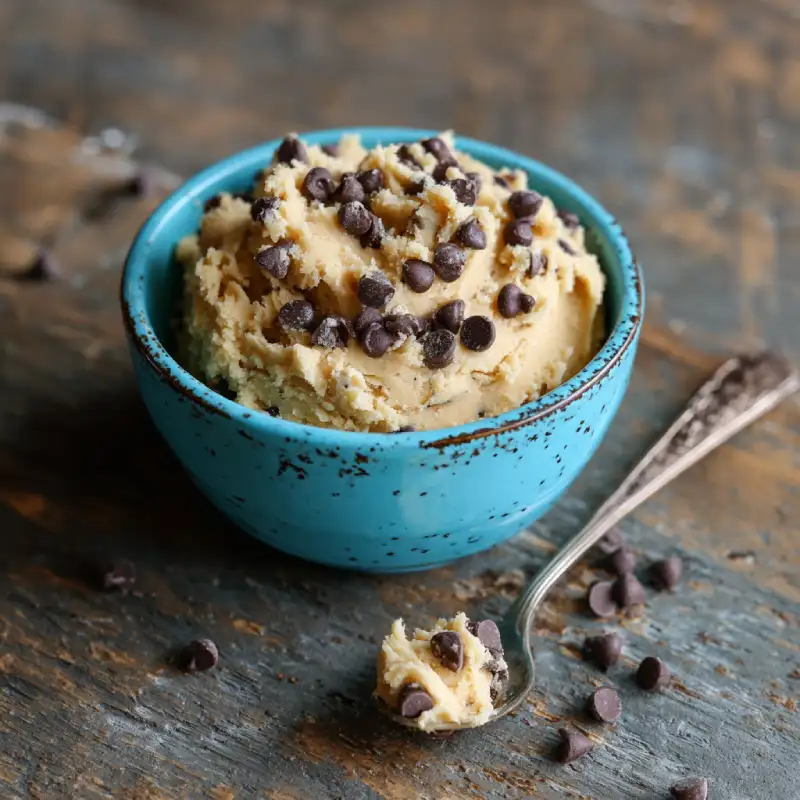
Oh, the glorious cookie dough! That irresistible, velvety-smooth, sweet sensation that promises pure bliss with every spoonful. If you’ve been on a gluten-free journey, you might have thought those days of decadent cookie dough were behind you. Well, prepare to be amazed, because today I’m sharing my absolute favorite gluten free cookie dough recipe that’s so good, you’ll forget it’s gluten-free! This isn’t just a passable alternative; it’s a chewy, flavorful, and utterly satisfying experience, whether you eat it raw (safely, of course!) or bake it into perfect cookies. It’s truly a game-changer, and I’m so excited to help you whip up this magic in your own kitchen! For more incredible culinary adventures, See more easy recipes and let your baking creativity soar.
My Journey to the Perfect Gluten-Free Cookie Dough
Like many of you, my path to mastering gluten-free baking has been filled with a few… interesting experiments. Dry, crumbly cookies, odd textures, and flavors that just didn’t hit the spot were common occurrences. But I was determined! I believe everyone deserves a truly delicious cookie, regardless of dietary needs. After countless hours of testing different flour blends, fat ratios, and sugar combinations, I finally cracked the code. This recipe is the culmination of that journey – a truly perfect gluten free cookie dough recipe that delivers on taste, texture, and pure cookie joy.
How This Recipe Works
This gluten free cookie dough recipe isn’t just about swapping out flour; it’s about understanding how ingredients interact to create that desired cookie magic. Here’s why this recipe stands out:
- Balanced Gluten-Free Flour Blend: We use a carefully selected blend that mimics the structure and chewiness of traditional wheat flour, preventing crumbly or gritty results.
- Thoughtful Fat Ratios: The butter content is optimized not only for rich flavor but also for achieving that coveted soft, chewy texture without being greasy.
- Perfect Sweetness & Moisture: A combination of sugars ensures a beautiful caramelization during baking and keeps the cookies wonderfully moist.
- Simple & Accessible Ingredients: You won’t find any obscure ingredients here! Everything is easily found at your local grocery store.
Achieving Chewy & Delicious Texture
The secret to that perfect chewy texture lies in a few key elements: the gluten-free flour blend, the ratio of brown to white sugar, and just the right amount of fat. The brown sugar adds moisture and tenderness, while the specific gluten-free flours provide enough structure without making the dough tough or brittle. We also ensure proper hydration, which is crucial for preventing a dry, crumbly dough.
Rich, Classic Cookie Dough Flavor
This recipe doesn’t compromise on flavor! We load it with high-quality vanilla extract and a touch of salt to enhance all those sweet, buttery notes. The balance of sugars also plays a significant role in creating that classic, comforting cookie dough taste we all know and love. It truly tastes like the cookie dough from your childhood, just without the gluten!
Dairy-Free & Nut-Free Options
One of my favorite aspects of this gluten free cookie dough recipe is its versatility! I’ve included notes throughout for easy substitutions, allowing you to effortlessly make this recipe dairy-free by swapping butter for a good quality plant-based butter stick. As for nut-free, this recipe is naturally nut-free, provided your chocolate chips or mix-ins are also free from nuts.
Ingredients and Substitutions
Here is what you need and why:
The Right Gluten-Free Flour Blend: This is arguably the most critical component. I strongly recommend using a high-quality, all-purpose gluten-free flour blend that contains xanthan gum. Brands like King Arthur Baking’s Measure for Measure or Bob’s Red Mill 1-to-1 Baking Flour are excellent choices. These blends are formulated to mimic wheat flour and will give you the best results. Avoid single-ingredient gluten-free flours like almond or coconut flour unless the recipe specifically calls for them, as they behave very differently.
Achieving the Perfect Sweetness (Sugar & Alternatives): We use a combination of both granulated sugar and light brown sugar. The granulated sugar provides crispness at the edges and sweetness, while the brown sugar adds incredible moisture, chewiness, and a lovely molasses flavor profile. If you only have dark brown sugar, that works too, and will result in an even deeper caramel flavor. For sugar alternatives, you can experiment with erythritol-based sweeteners like Swerve or a monk fruit blend, but be aware that the texture and spread might vary.
Fats for Flavor and Texture (Butter & Dairy-Free Options): Unsalted butter is my pick for its rich flavor and ability to create a tender crumb. Ensure it’s softened to room temperature for proper creaming. If you’re going dairy-free, a solid stick of plant-based butter (like Miyoko’s Kitchen or Earth Balance sticks) will work beautifully. Avoid margarine or tubs of spread as they have a higher water content and can affect the texture.
Essential Leavening Agents: A combination of baking soda and baking powder is used to give our cookies the perfect lift and spread. Baking soda reacts with the acidic brown sugar, while baking powder provides consistent leavening, ensuring a light and airy yet chewy interior.
Flavor Boosters (Vanilla, Salt & Mix-ins): Pure vanilla extract is non-negotiable for that classic cookie flavor. Don’t skimp here! Salt (fine sea salt is preferred) balances the sweetness and enhances all the other flavors. And for mix-ins? The world is your oyster! Chocolate chips (semi-sweet, milk, or dark), sprinkles, chopped nuts (if not nut-free), or even toffee bits are fantastic additions. For an external resource on understanding different flours, check out King Arthur Baking’s guide to flours.
Step-by-Step Instructions: Making Gluten-Free Cookie Dough
Follow these simple steps for perfect results:
1. Creaming Butter and Sugar
In a large mixing bowl (or the bowl of a stand mixer fitted with the paddle attachment), cream together the softened unsalted butter, granulated sugar, and light brown sugar on medium speed until light and fluffy. This usually takes about 2-3 minutes. Make sure to scrape down the sides of the bowl occasionally to ensure everything is well combined and aerated – this step is crucial for texture!
2. Adding Wet Ingredients
Beat in the eggs, one at a time, mixing well after each addition until fully incorporated. Then, stir in the pure vanilla extract. The mixture might look a little curdled at this point, but don’t worry, it will come together after you add the dry ingredients.
3. Incorporating Dry Ingredients
In a separate medium bowl, whisk together your gluten-free flour blend, baking soda, baking powder, and salt. Gradually add the dry ingredients to the wet ingredients, mixing on low speed until just combined. Be careful not to overmix! Overmixing gluten-free dough can lead to tougher cookies.
4. Folding in Your Favorite Mix-ins
Remove the bowl from the mixer and, using a rubber spatula, gently fold in your chosen mix-ins – like chocolate chips, sprinkles, or whatever your heart desires. Distribute them evenly throughout the dough without overworking it. Your delicious gluten free cookie dough recipe is now ready to be baked or chilled!
Expert Tips for Success
- Measuring Gluten-Free Flour Accurately: Always spoon and level your gluten-free flour, or even better, weigh it with a kitchen scale. Gluten-free flours can be very dense, and packing them into a measuring cup can lead to dry, crumbly dough.
- Don’t Overmix: As with most cookie doughs, overmixing can lead to tougher results. Mix until just combined – a few streaks of flour are okay, as they’ll get incorporated during the mix-ins.
- Chilling the Dough for Best Results: While you can technically bake these right away, chilling the dough for at least 30 minutes (or up to 24 hours) allows the flavors to meld, the flour to fully hydrate, and prevents excessive spreading, resulting in thicker, chewier cookies.
- Baking for Optimal Texture: Bake until the edges are golden brown but the centers still look slightly underdone. They will continue to set as they cool on the baking sheet for a few minutes.
- Room Temperature Ingredients: Ensure your butter and eggs are at room temperature. This helps them emulsify properly, creating a smoother, more uniform dough structure.
What to Serve With Your Gluten-Free Cookie Dough
Classic Pairings
Nothing beats the classic combination of freshly baked, warm gluten-free cookies with a tall, cold glass of milk (dairy or non-dairy!). They are also fantastic with a scoop of vanilla bean ice cream for a delightful à la mode experience, or alongside a hot cup of coffee or herbal tea for a cozy treat.
Creative Uses
Beyond traditional cookies, this dough is incredibly versatile! Roll it into small balls and add it to homemade gluten-free vanilla ice cream for a cookie dough ice cream. Crumble it over a fruit crisp before baking, or press it into a small baking dish to make gluten-free cookie bars. You can even use it as a crust for a no-bake gluten-free cheesecake!
Storing and Reheating Gluten-Free Cookie Dough
Refrigerating Raw Dough
Your raw gluten free cookie dough recipe can be stored in an airtight container in the refrigerator for up to 3-4 days. This is perfect for making a batch ahead of time or for fresh-baked cookies on demand throughout the week. Just let it come to room temperature for about 10-15 minutes before baking if it’s been chilled for a prolonged period, or add a minute or two to your bake time.
Freezing Raw Dough
To freeze, scoop individual cookie dough balls onto a baking sheet lined with parchment paper and freeze until solid (about 1-2 hours). Once frozen, transfer the dough balls to a freezer-safe zip-top bag or airtight container. They will last for up to 3 months in the freezer! You can bake them directly from frozen; just add an extra 2-4 minutes to the baking time.
Storing Baked Cookies
Baked gluten-free cookies should be stored in an airtight container at room temperature for up to 5 days. For longer storage, freeze cooled baked cookies in a single layer in a freezer-safe bag or container for up to 1 month. Thaw at room temperature or warm gently in the microwave for a few seconds for that fresh-baked feel.
Gluten-Free Cookie Dough FAQ
Can I eat this cookie dough raw?
Why is my gluten-free cookie dough crumbly?
How long does gluten-free cookie dough last?
Can I make this recipe vegan?
What’s the best gluten-free flour blend for cookies?
Delicious Gluten-Free Cookie Dough
- Total Time: 28 minute
- Yield: 24 cookies
Description
This delicious gluten-free cookie dough recipe is easy to bake and packed with the best flavor! Follow our step-by-step guide to make it yourself for perfect chewy cookies or safe raw snacking.
Ingredients
- 1 cup (2 sticks / 226g) unsalted butter, softened
- ¾ cup (150g) granulated sugar
- ¾ cup (160g) packed light brown sugar
- 2 large eggs, room temperature
- 2 teaspoons pure vanilla extract
- 2 ¼ cups (300g) all-purpose gluten-free flour blend (with xanthan gum)
- 1 teaspoon baking soda
- ½ teaspoon baking powder
- ½ teaspoon fine sea salt
- 1 ½ cups (250g) chocolate chips or other desired mix-ins
Instructions
- Cream Butter and Sugars: In a large mixing bowl, cream together the softened butter, granulated sugar, and light brown sugar until light and fluffy (2-3 minutes).
- Add Wet Ingredients: Beat in the eggs one at a time until fully incorporated, then stir in the vanilla extract.
- Combine Dry Ingredients: In a separate bowl, whisk together the gluten-free flour blend, baking soda, baking powder, and salt.
- Incorporate Dry into Wet: Gradually add the dry ingredients to the wet ingredients, mixing on low speed until just combined. Do not overmix.
- Fold in Mix-ins: Gently fold in your chocolate chips or other favorite mix-ins using a spatula.
- Chill (Optional): For best results, cover and chill the dough for at least 30 minutes, or up to 24 hours.
- Bake: Preheat oven to 375°F (190°C). Scoop dough onto parchment-lined baking sheets and bake for 10-12 minutes, or until edges are golden and centers are set. Cool on the baking sheet for a few minutes before transferring to a wire rack.
- Prep Time: 15 mins
- Cook Time: 10-12 mins