


Table of Contents
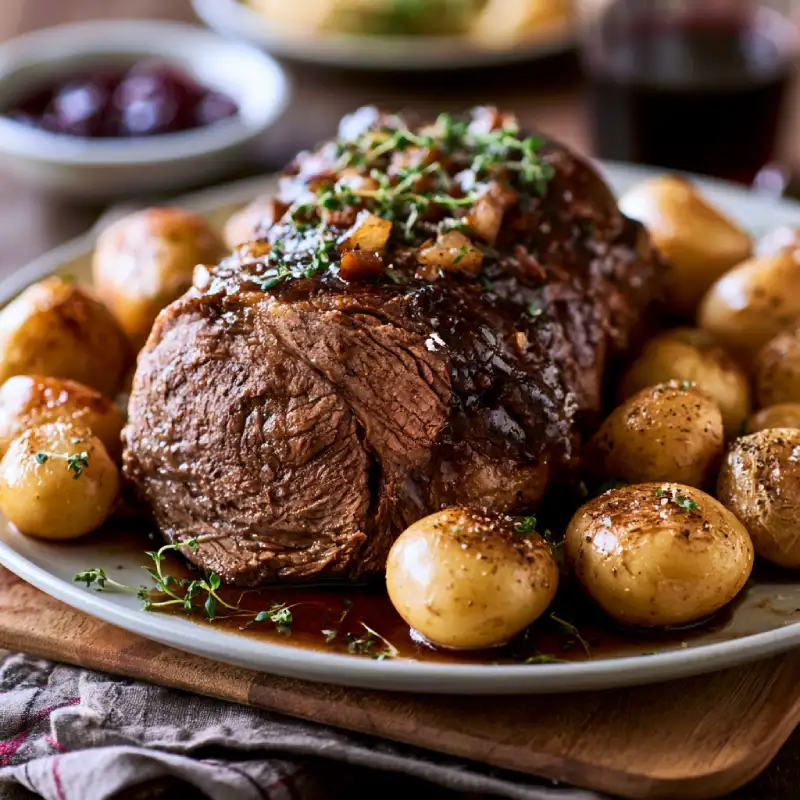
Oh, the glorious French Roast! Just the mention of it conjures images of succulent, fall-apart beef, swimming in a rich, deeply flavored gravy that clings to every morsel. There’s something undeniably comforting and utterly satisfying about a perfectly executed recipe french roast. That melt-in-your-mouth tenderness, achieved through patient, low-and-slow cooking, paired with an aromatic sauce, makes it a true culinary embrace. Today, I’m thrilled to share my ultimate guide to creating a savory French Roast that will undoubtedly become a treasured staple in your home. And if you’re looking for even more delightful and easy recipes to add to your repertoire, you can always See more good recipes here!
Why This Recipe Works
- Achieves Unparalleled Tenderness: Our method ensures the beef becomes incredibly fork-tender, practically melting under the lightest pressure.
- Builds Layers of Deep Flavor: From a proper sear to rich stock and aromatic vegetables, every step contributes to an incredibly flavorful final dish.
- Features a Silky, Rich Gravy: The cooking liquid naturally transforms into a luscious gravy, enhanced with simple thickeners for perfect consistency.
- Surprisingly Hands-Off Cooking: After initial prep, the oven does most of the work, leaving you free to enjoy your day while dinner simmers.
Ingredients and Substitutions
Here is what you need and why:
Beef Chuck Roast (2-3 lbs): This is truly the star of our show. Chuck roast, with its marbling and connective tissue, is ideal for low and slow braising. As it cooks, the collagen breaks down into gelatin, resulting in that coveted tender, juicy texture. You could also use a brisket or a round roast, but chuck is consistently my top recommendation for the best results.
Olive Oil or Vegetable Oil: Essential for searing the beef, which builds a crucial flavor foundation through the Maillard reaction. Any high smoke point oil will work beautifully here.
Yellow Onions (2 medium), Carrots (3 medium), Celery Stalks (2): The classic mirepoix! These aromatic vegetables form the flavor base of our braising liquid and gravy. They sweeten and deepen the overall taste. Feel free to add parsnips for an extra layer of earthy sweetness if you have them.
Garlic (4-6 cloves, minced): A pungent powerhouse that adds incredible depth and aroma. Freshly minced is always best, but pre-minced garlic can be a time-saver.
Tomato Paste (2 tablespoons): This concentrates and intensifies the savory umami notes in the gravy, adding a touch of richness and slight acidity that balances the dish beautifully. Don’t skip it!
Dry Red Wine (1 cup, e.g., Cabernet Sauvignon, Merlot): This is where a lot of that ‘French’ flair comes in! Red wine adds complexity, acidity, and deep color to the braising liquid. If you prefer not to cook with alcohol, simply substitute with an equal amount of beef broth, adding a splash of red wine vinegar for acidity.
Beef Broth (4 cups, low sodium): The primary liquid for braising. Low sodium allows you to control the seasoning precisely. You could also use beef stock or even a good quality homemade bone broth.
Fresh Thyme (4-5 sprigs), Fresh Rosemary (2 sprigs): These hardy herbs infuse the roast with their earthy, piney aromas. Fresh is always preferred, but if using dried, use about 1 teaspoon of each, tied in cheesecloth for easy removal. You can find excellent quality dried herbs from reputable sources like Penzey’s Spices.
Bay Leaves (2 large): Adds a subtle, slightly floral and savory note to the braising liquid. Remember to remove them before serving!
Salt and Freshly Ground Black Pepper: Crucial for seasoning at every stage. Don’t be shy; beef needs a good amount of seasoning to truly shine.
Flour (2 tablespoons) or Cornstarch (1 tablespoon, mixed with 2 tablespoons cold water): For thickening the gravy at the end. Flour will give you a more opaque, roux-based gravy, while cornstarch creates a clearer, glossier sauce. Use what you prefer or have on hand.
How to Make Delicious French Roast
Follow these step-by-step photos:
1. Prep and Season Your Roast
Remove your chuck roast from the refrigerator about an hour before cooking to bring it closer to room temperature. Pat it thoroughly dry with paper towels – this is crucial for a good sear! Season generously on all sides with salt and freshly ground black pepper. Don’t be timid; a good, well-seasoned crust is key to flavor.
2. Sear the Beef to Perfection
Heat 2 tablespoons of olive oil or vegetable oil in a large Dutch oven or oven-safe pot over medium-high heat until shimmering. Carefully place the seasoned roast into the hot oil. Sear on all sides until a deep, dark brown crust forms, about 4-6 minutes per side. This browning develops incredible flavor through the Maillard reaction. Once browned, remove the roast from the pot and set it aside.
3. Sauté Aromatics and Deglaze
Reduce the heat to medium. Add the chopped onions, carrots, and celery to the same pot, scraping up any browned bits from the bottom. Sauté for 5-7 minutes until the vegetables soften. Add the minced garlic and tomato paste, cooking for another minute until fragrant and the tomato paste has deepened in color. Pour in the red wine, stirring and scraping the bottom of the pot to deglaze, releasing all those delicious stuck-on flavors. Let it simmer for 2-3 minutes until slightly reduced.
4. Build the Braising Liquid and Simmer
Stir in the beef broth, fresh thyme sprigs, rosemary sprigs, and bay leaves. Bring the liquid to a gentle simmer. Return the seared beef roast to the pot, ensuring it’s mostly submerged in the liquid. If needed, add a little extra broth or water to ensure the liquid comes at least halfway up the sides of the roast. Cover the Dutch oven tightly with its lid.
5. Oven Roast for Tenderness
Transfer the covered Dutch oven to a preheated oven at 300°F (150°C). Braise for 3-4 hours, or until the beef is incredibly tender and easily pulls apart with a fork. The exact time will depend on the size and shape of your roast. Check occasionally to ensure the liquid isn’t completely evaporating, adding a splash more broth if necessary. Once fully cooked, carefully remove the roast from the pot, tent with foil, and let it rest on a cutting board.
6. Make Your Gravy: Thick and Delicious
While the roast rests, make the gravy. Skim off any excess fat from the surface of the braising liquid. Remove and discard the herb sprigs and bay leaves. For a smoother gravy, you can strain the vegetables out, or leave them in and blend with an immersion blender for a thicker, heartier sauce. Bring the liquid to a simmer over medium heat. In a small bowl, whisk together 2 tablespoons of flour with 1/4 cup of cold water to create a slurry. Gradually whisk the slurry into the simmering liquid, cooking and stirring constantly until the gravy thickens to your desired consistency. Taste and adjust seasoning with salt and pepper as needed. Slice or shred the rested French Roast and serve with the warm, rich gravy.
Expert Tips for Success
- Don’t Skip the Sear: This isn’t just for looks; searing creates deep, complex flavors that you simply can’t achieve any other way. A good crust means a better tasting gravy!
- The Importance of Low and Slow: Patience is a virtue here. Braising at a low temperature for a longer period is what breaks down the tough connective tissues in the chuck roast, transforming it into that signature fall-apart tenderness. Rushing it will result in tough meat.
- Embrace the Rest: Once the roast is done, tent it loosely with foil and let it rest for at least 15-20 minutes before slicing or shredding. This allows the juices to redistribute throughout the meat, ensuring a moist and flavorful result.
- Adjusting Gravy Consistency: If your gravy is too thin, continue to simmer it gently to reduce. If it’s too thick, whisk in a little more beef broth or water until it reaches your desired consistency. Always taste and adjust seasoning after adjusting thickness.
- Use Good Quality Ingredients: Since there are relatively few ingredients, the quality of each will truly shine through. Invest in good beef, fresh herbs, and a decent bottle of wine (that you’d be happy to drink!).
Storing and Reheating
Proper Storage Techniques: Leftover French Roast is often even better the next day as the flavors have more time to meld. Allow the roast and gravy to cool completely. Store them together in an airtight container in the refrigerator for up to 3-4 days. For longer storage, French Roast freezes beautifully. Divide the roast and gravy into portion-sized freezer-safe containers and freeze for up to 3 months. Thaw overnight in the refrigerator before reheating.
Reheating for Best Results: To reheat, gently warm the French Roast and gravy in a pot on the stovetop over low to medium heat, stirring occasionally, until heated through. If the gravy seems too thick, add a splash of beef broth or water. You can also reheat individual portions in the microwave, covered, until warm, stirring halfway through.
What to Serve With Your French Roast
This savory French Roast pairs wonderfully with a variety of sides:
- Classic Sides: Creamy mashed potatoes are an absolute must, perfect for soaking up all that incredible gravy. Roasted root vegetables (like potatoes, carrots, and parsnips) or a simple side of sautéed green beans with garlic also make excellent companions.
- Vegetable Pairings: Steamed asparagus, glazed carrots, or even braised red cabbage can add contrasting colors and textures.
- Bread for Sopping: Don’t forget a crusty baguette or sourdough bread! It’s essential for wiping your plate clean of every last drop of that magnificent gravy.
Frequently Asked Questions
Can I make French roast in a slow cooker?
What’s the difference between French roast and pot roast?
Why is my French roast tough?
Can I use different vegetables?
Delicious French Roast
- Total Time: 32 minute
- Yield: 6-8 servings
Description
Unlock the secret to a perfectly tender, savory French roast with a rich, aromatic gravy. This recipe promises a comforting, melt-in-your-mouth meal that’s easier to achieve than you think.
Ingredients
- 2–3 lbs beef chuck roast
- 2 tbsp olive oil or vegetable oil
- 2 medium yellow onions, chopped
- 3 medium carrots, chopped
- 2 celery stalks, chopped
- 4–6 cloves garlic, minced
- 2 tbsp tomato paste
- 1 cup dry red wine (e.g., Cabernet Sauvignon, Merlot)
- 4 cups low sodium beef broth
- 4–5 sprigs fresh thyme
- 2 sprigs fresh rosemary
- 2 large bay leaves
- Salt and freshly ground black pepper, to taste
- 2 tbsp all-purpose flour (for gravy) OR 1 tbsp cornstarch mixed with 2 tbsp cold water
Instructions
- 1. Prep and Season Roast: Remove roast from fridge 1 hour prior. Pat dry, season generously with salt and pepper.
- 2. Sear Beef: Heat oil in a Dutch oven over medium-high heat. Sear roast on all sides until deep brown (4-6 min per side). Remove and set aside.
- 3. Sauté Aromatics & Deglaze: Reduce heat to medium. Add onions, carrots, celery; sauté 5-7 mins. Add garlic, tomato paste; cook 1 min. Pour in red wine, scraping up browned bits, simmer 2-3 mins.
- 4. Add Liquids & Simmer: Stir in beef broth, thyme, rosemary, bay leaves. Bring to a gentle simmer. Return roast to pot, ensuring it’s mostly submerged. Cover.
- 5. Oven Roast: Transfer covered Dutch oven to preheated 300°F (150°C) oven. Braise for 3-4 hours until fork-tender. Remove roast, tent with foil, and rest.
- 6. Make Gravy: Skim fat from braising liquid. Remove herbs/bay leaves. Bring liquid to simmer. Whisk flour slurry (or cornstarch slurry) into simmering liquid until thickened. Season to taste. Slice/shred roast and serve with gravy.
- Prep Time: 25 mins
- Cook Time: 3-4 hours