


Table of Contents
- Why This Hibachi Chicken Recipe Works (Every Time!)
- Ingredients for Amazing Hibachi Chicken (and Smart Substitutions)
- Step-by-Step: Your Best Hibachi Chicken at Home
- Expert Tips for Hibachi Chicken Success
- What to Serve With Your Hibachi Chicken
- Storing and Reheating Hibachi Chicken
- Frequently Asked Questions About Hibachi Chicken
Hey there, fellow food lovers! Are you craving that delightful, sizzling, savory-sweet goodness of hibachi chicken but don’t want to leave your house (or your sweatpants)? You’re in the right place! Today, we’re diving into my absolute favorite recipe for homemade hibachi chicken – a dish that delivers on flavor, speed, and even provides valuable hibachi chicken nutrition information.
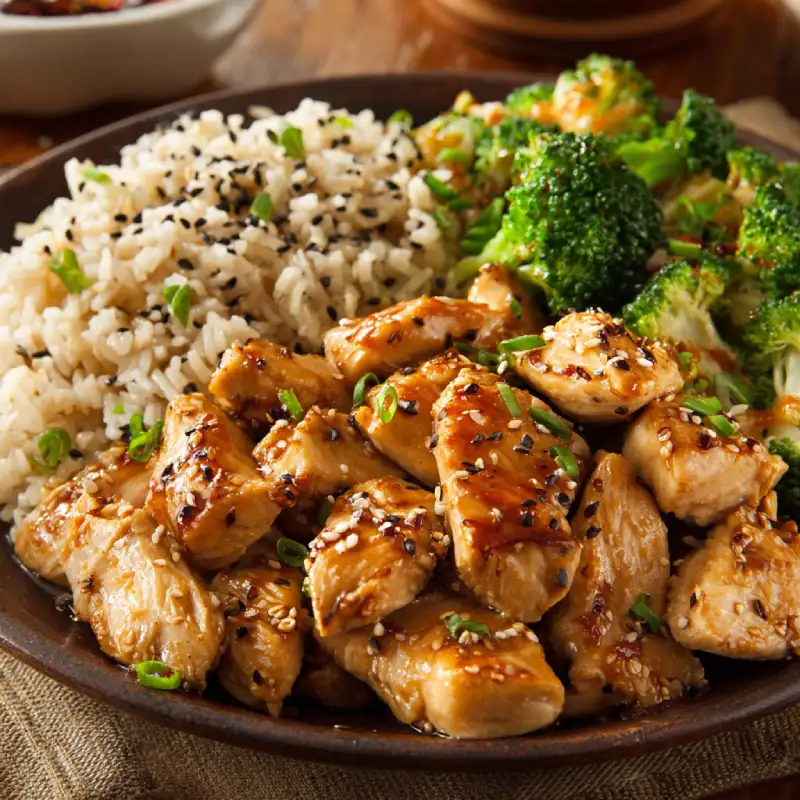
Imagine perfectly tender, juicy chicken, glistening with a rich sauce, mingled with crisp-tender vegetables, all cooked right in your kitchen. This isn’t just a meal; it’s an experience! And trust me, it’s far simpler to achieve than you might think. Whether you’re a seasoned home cook or just starting your culinary journey, this recipe is designed for maximum deliciousness with minimal fuss. For more easy recipes and culinary inspiration, be sure to See more good recipes here!
Why This Hibachi Chicken Recipe Works (Every Time!)
- Authentic Flavor Balance: We hit that perfect sweet-savory note, just like at your favorite Japanese steakhouse, thanks to a carefully crafted sauce.
- Tender & Juicy Chicken: Forget dry chicken! Our technique ensures every piece is succulent and flavorful, never overcooked.
- Crisp-Tender Vegetables: No soggy veggies here. We’ll show you how to get that ideal bite every single time.
- Quick Pan-Sear Power: High heat means maximum flavor development and a fast cooking time, perfect for weeknights.
Ingredients for Amazing Hibachi Chicken (and Smart Substitutions)
Here is what you need and why:
Chicken Thighs vs. Breasts: I’m a firm believer that boneless, skinless chicken thighs are the secret weapon for ultimate juiciness and flavor in hibachi. They have a bit more fat, which keeps them incredibly tender and forgiving during high-heat cooking. However, if you prefer, boneless, skinless chicken breasts can absolutely be used. Just be mindful not to overcook them to prevent dryness.
The Essential Hibachi Sauce: This is where the magic happens! We’ll use a blend of:
- Soy Sauce: The umami backbone. Use a good quality, low-sodium variety if you’re watching salt intake.
- Mirin: A sweet Japanese rice wine that adds a subtle sweetness and gloss. Don’t skip it; it’s essential for that authentic flavor.
- Sake: Another Japanese rice wine that tenderizes the chicken and adds depth. If you don’t have sake, a dry white wine or even a touch more mirin can work in a pinch, though the flavor will be slightly different.
- Fresh Ginger: Absolutely non-negotiable! Grated fresh ginger adds a pungent, aromatic kick that defines hibachi flavor.
- Garlic: Freshly minced garlic provides another layer of aromatic goodness.
- Sugar or Honey: To balance the savory notes and achieve that irresistible sweet glaze. Adjust to your preference.
Vegetable Power: Fresh, firm vegetables are key. My go-to trio is:
- Onions: Yellow or white onions work great, adding sweetness when sautéed.
- Zucchini: Sliced into half-moons, they offer a nice texture and absorb the sauce beautifully.
- Mushrooms: Cremini (baby bellas) or white button mushrooms are fantastic, adding an earthy depth.
Feel free to experiment with other quick-cooking veggies like bell peppers, broccoli florets, or even snap peas!
Cooking Oil: You need an oil with a high smoke point for this high-heat cooking method. Avocado oil, grapeseed oil, or even canola oil are excellent choices for achieving that perfect sear without burning.
Step-by-Step: Your Best Hibachi Chicken at Home
Follow these simple steps to culinary success:
1. Prep the Chicken and Vegetables
Cut your chicken thighs into 1-inch bite-sized pieces. Pat them thoroughly dry with paper towels – this is crucial for a good sear! For the vegetables, slice your onions into thick wedges, zucchini into half-moons, and mushrooms into quarters. Have everything ready to go; stir-frying moves quickly!
2. Whisk the Hibachi Sauce
In a small bowl, combine the soy sauce, mirin, sake, grated fresh ginger, minced garlic, and sugar/honey. Whisk well until the sugar dissolves completely. Taste and adjust if needed – a little more sugar for sweetness, a touch more soy for saltiness.
3. Sauté the Vegetables
Heat 1 tablespoon of high-smoke point oil in a large skillet or wok over medium-high heat. Add the onions and mushrooms first, cooking for 3-4 minutes until they begin to soften and brown slightly. Then add the zucchini and cook for another 2-3 minutes, just until crisp-tender. Don’t overcrowd the pan; cook in batches if necessary. Remove the cooked vegetables to a separate bowl.
4. Cook the Chicken
Add another tablespoon of oil to the same skillet, increasing the heat to high. Once shimmering, add the chicken pieces in a single layer, making sure not to overcrowd the pan. Cook for 3-4 minutes per side, undisturbed, until beautifully golden brown and cooked through. If you overcrowd, the chicken will steam instead of sear. Remove cooked chicken to the bowl with the vegetables.
5. Combine and Finish with Sauce
Return the cooked chicken and vegetables to the skillet. Give the sauce another quick whisk, then pour it over everything. Toss gently to coat all the chicken and vegetables evenly. Cook for just 1-2 minutes, allowing the sauce to thicken slightly and create that gorgeous, glossy glaze. Serve immediately!
Expert Tips for Hibachi Chicken Success
- Don’t overcrowd the pan: This is arguably the most important tip! Overcrowding drops the pan temperature, leading to steaming instead of searing. Cook in batches if your pan isn’t large enough.
- Use high heat for vegetables: Like the chicken, vegetables need high heat to achieve that crisp-tender texture and slight char. Lower heat will lead to soggy veggies.
- Taste and adjust the sauce: Before adding it to the pan, taste your hibachi sauce. This is your last chance to tweak the sweet-savory balance to your liking.
- Serve immediately for best texture: Hibachi chicken is best enjoyed fresh off the pan when the chicken is juicy and the vegetables are still crisp.
- Mise en place is your friend: This French culinary term means “everything in its place.” Have all your ingredients chopped, measured, and ready before you start cooking, as this dish comes together very quickly.
What to Serve With Your Hibachi Chicken
- Fluffy Steamed Rice (White or Brown): The classic pairing! The rice soaks up the delicious sauce beautifully.
- Quick Sautéed Noodles: For a heartier meal, a side of simple sautéed lo mein or ramen noodles tossed with a touch of soy sauce and sesame oil is fantastic.
- Simple Green Salad with Ginger Dressing: A light, refreshing side to cut through the richness of the chicken.
- Hibachi-style Fried Rice: If you’re feeling ambitious, make your own fried rice on the side for the full experience.
Storing and Reheating Hibachi Chicken
Refrigeration Guidelines for Safety and Freshness: Leftover hibachi chicken should be stored in an airtight container in the refrigerator within two hours of cooking. It will stay fresh for up to 3-4 days.
Best Practices for Reheating (Stovetop or Microwave):
- Stovetop: The best method for maintaining texture. Heat a non-stick skillet over medium heat with a tiny splash of oil or water. Add the leftovers and cook, stirring occasionally, until heated through.
- Microwave: A quicker option. Place the chicken and vegetables in a microwave-safe dish and cover lightly. Heat in 30-60 second intervals, stirring in between, until warmed through. Be careful not to overheat, which can dry out the chicken.
While you can freeze cooked hibachi chicken, the vegetables might become a bit soft upon thawing. If freezing, cool completely, then store in a freezer-safe container for up to 2-3 months. Thaw in the refrigerator overnight before reheating.
Frequently Asked Questions About Hibachi Chicken
Is hibachi chicken healthy?
What’s in hibachi sauce?
Can I use different vegetables?
How do I make it spicy?
Delicious & Easy Hibachi Chicken
- Total Time: 35 minutes
- Yield: 4 servings
Description
Unlock the secrets to perfectly tender, savory-sweet hibachi chicken and crisp-tender vegetables right in your own kitchen! This recipe is fast, full of flavor, and comes with handy nutrition info.
Ingredients
- 1.5 lbs boneless, skinless chicken thighs (or breasts), cut into 1-inch pieces
- 2 tbsp high-smoke point oil (avocado, grapeseed)
- 1 medium yellow onion, cut into wedges
- 1 medium zucchini, sliced into half-moons
- 8 oz cremini mushrooms, quartered
- For the Hibachi Sauce:
- 1/4 cup low-sodium soy sauce
- 2 tbsp mirin
- 1 tbsp sake (or dry white wine)
- 1 tbsp grated fresh ginger
- 2 cloves garlic, minced
- 1 tsp sugar or honey (adjust to taste)
- Optional: Cooked rice or noodles for serving
Instructions
- 1. Prep Chicken & Veggies: Cut chicken. Pat dry. Slice onion, zucchini, and mushrooms.
- 2. Whisk Sauce: Combine soy sauce, mirin, sake, ginger, garlic, and sugar. Whisk well.
- 3. Sauté Vegetables: Heat 1 tbsp oil in a large skillet over medium-high heat. Add onions and mushrooms, cook 3-4 mins. Add zucchini, cook 2-3 mins until crisp-tender. Remove to a bowl.
- 4. Cook Chicken: Add 1 tbsp oil to the skillet, increase heat to high. Add chicken in a single layer, cook 3-4 mins per side until golden and cooked through. Remove to the bowl with vegetables.
- 5. Combine & Finish: Return chicken and vegetables to skillet. Pour sauce over. Toss to coat and cook 1-2 mins until sauce thickens and glazes. Serve immediately.
- Prep Time: 15 mins
- Cook Time: 20 mins