


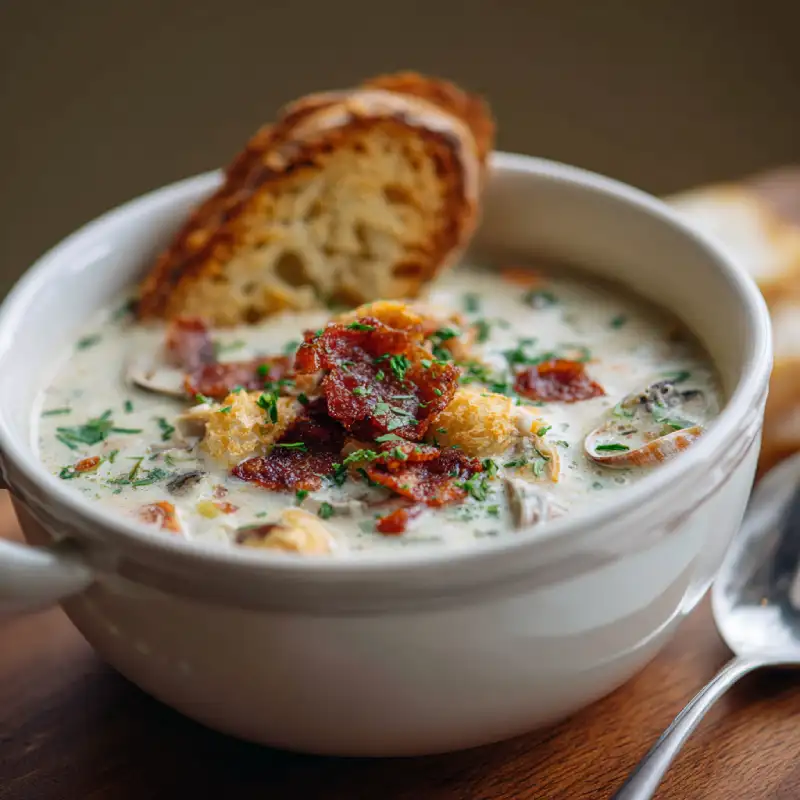
Is Delicious Clam Chowder Good For You? A Guide
Ah, clam chowder! Just the mention of it conjures images of creamy, comforting bowls, brimming with tender clams and hearty potatoes. There’s something so incredibly soul-satisfying about a perfectly made chowder, whether it’s a frosty winter evening or a breezy summer day by the coast. But as we ladle up that steamy goodness, a common question often surfaces: is clam chowder good for you?
Let’s dive deep into this beloved comfort food. Often shrouded in a reputation for being heavy and indulgent, many assume clam chowder is a culinary splurge. However, I’m here to tell you that with a few thoughtful tweaks and smart ingredient choices, this classic dish can absolutely be a wholesome and nutritious addition to your meal rotation. My kitchen experience has taught me that crafting healthier, flavorful chowder doesn’t mean sacrificing an ounce of that incredible taste. It’s all about balance, fresh ingredients, and a little bit of culinary know-how. If you’re looking for more delicious and healthy recipes, see more good recipes here!
Table of Contents
- Why This Clam Chowder Recipe Works: Taste & Nutrition Balanced
- Ingredients and Smart Substitutions for a Healthier Chowder
- Step-by-Step: Crafting Your Wholesome Clam Chowder
- Expert Tips for Clam Chowder Success (and Health)
- What to Serve With Your Healthy Clam Chowder
- Storing and Reheating Your Delicious Chowder
- Clam Chowder FAQ: Your Health and Recipe Questions Answered
Why This Clam Chowder Recipe Works: Taste & Nutrition Balanced
When I set out to develop a healthier clam chowder, my goal was clear: keep all the rich flavor and creamy texture we adore, but lighten it up without compromise. And let me tell you, this recipe absolutely delivers!
- Creamy Texture, Lighter Touch: We achieve that luxurious, velvety mouthfeel without relying on excessive amounts of heavy cream and butter. Smart thickening techniques and the natural creaminess of certain ingredients do all the heavy lifting.
- Flavor Depth: Layers from Fresh Ingredients: Gone are the days of bland chowder! We build a robust flavor base using fresh aromatics and quality clam broth, ensuring every spoonful is bursting with savory goodness.
- Nutrient-Dense: Maximizing Benefits from Clams and Vegetables: Clams are a powerhouse of lean protein, iron, and B12. By packing in plenty of fresh vegetables, we boost the fiber, vitamins, and minerals, making this a truly nourishing dish.
- Hearty & Satisfying: A Complete Meal in a Bowl: This isn’t just a starter; it’s a wonderfully filling and satisfying meal on its own, thanks to the protein from clams, complex carbohydrates from potatoes, and a bounty of vegetables.
Ingredients and Smart Substitutions for a Healthier Chowder
Here is what you need and why:
Clams: Fresh vs. Canned – Nutritional Impact and Flavor: While fresh clams offer an unparalleled ocean-fresh flavor and texture, good quality canned chopped clams (packed in water, not oil!) are a perfectly acceptable and convenient substitute. They still provide excellent protein, iron, and vitamin B12. If using canned, reserve the clam juice for extra flavor.
Potatoes: Starchy vs. Waxy – Best for Texture and Nutrients: For chowder, I prefer a balance. Waxy potatoes like red bliss or Yukon Golds hold their shape well, while a few starchy Russets can break down slightly, adding to the chowder’s natural thickening. All varieties offer carbohydrates, potassium, and vitamin C.
Dairy: Whole Milk, Half-and-Half, or Lighter Alternatives?: This is where we can make a big difference! Instead of heavy cream, I recommend using whole milk for richness and body. For an even lighter touch, 2% milk works, and you can boost creaminess with a swirl of unsweetened cashew milk or even a spoonful of puréed cooked potato at the end for an extra luscious, dairy-free option. Avoid skim milk, as it tends to thin the chowder too much.
Aromatics: Onions, Celery, Garlic – Flavor Foundations: These are the invaluable building blocks of almost any great savory dish. Don’t skimp on these! They provide natural sweetness, depth, and essential vitamins without adding fat or calories. Sautéing them until tender and translucent is key to releasing their full flavor potential.
Thickeners: Flour vs. Cornstarch – Impact on Creaminess and Health: Traditionally, a roux (butter and flour) is used. For a lighter touch, you can use less butter in your roux, or opt for a cornstarch slurry (cornstarch mixed with a little cold water) added at the end. Cornstarch gives a glossy, lighter consistency, while flour creates a thicker, more opaque sauce. Both are fine; choose based on your desired texture. King Arthur Baking has a great comparison of thickening agents if you want to learn more!
Broth: Clam Juice vs. Vegetable Broth – Enhancing Flavor and Reducing Sodium: A good quality clam juice provides authentic seafood flavor. To control sodium, look for low-sodium clam juice or use a combination of low-sodium vegetable broth and the liquid from canned clams. Homemade fish or vegetable broth would be ideal!
Bacon/Salt Pork: Optional Flavor Boost – Moderation and Alternatives: A little rendered bacon or salt pork adds an incredible smoky depth. If you choose to use it, use it sparingly – just a few strips to render the fat, then remove the cooked pieces and drain all but a tablespoon of the fat before proceeding. You can also get a smoky flavor from smoked paprika without the added fat, or completely omit for a vegetarian-friendly base (though it wouldn’t be clam chowder then!).
Step-by-Step: Crafting Your Wholesome Clam Chowder
Follow these step-by-step instructions to create your delicious chowder:
1. Prep Your Ingredients: A Smooth Start
Start by dicing your onions, celery, and potatoes into even, bite-sized pieces. If using fresh clams, scrub them clean. If using canned, drain them, reserving the liquid. This preparation ensures everything cooks evenly and the process flows smoothly.
2. Building the Flavor Base: Sautéing Aromatics and Bacon (Optional)
In a large pot or Dutch oven, cook your bacon (if using) until crisp. Remove bacon, leaving about 1 tablespoon of fat. Add diced onions, celery, and minced garlic to the pot. Sauté over medium heat until the vegetables are softened and translucent, about 5-7 minutes. This step is crucial for developing the foundational flavor of your chowder.
3. Adding Liquids and Potatoes: Simmering for Tenderness
Sprinkle the flour (if using a roux method) over the sautéed vegetables and cook, stirring, for 1 minute to create a roux. Gradually whisk in the clam juice (or reserved liquid from canned clams) and vegetable broth, stirring constantly to avoid lumps. Add the diced potatoes. Bring to a gentle simmer, then reduce heat, cover, and cook until the potatoes are fork-tender, about 10-15 minutes.
4. The Clam Factor: Integrating Fresh or Canned Clams
Once potatoes are tender, stir in your milk (whole, 2%, or alternative). If using fresh clams, add them now, cover, and cook until they open (discard any that don’t). If using canned clams, stir them in gently and heat through for just 2-3 minutes. Overcooking clams will make them tough, so timing is key!
5. Thickening and Creaminess: Achieving the Perfect Consistency
If you didn’t use flour earlier or prefer a thicker consistency, create a cornstarch slurry (1 tbsp cornstarch mixed with 2 tbsp cold water) and slowly whisk it into the simmering chowder until it reaches your desired thickness. Don’t add it all at once; you might not need it all. Let it simmer for another minute to cook out the starch flavor. Stir in the chopped fresh parsley if using.
6. Final Seasoning and Garnish: Enhancing the Experience
Taste and adjust seasoning. You’ll likely need salt and plenty of freshly ground black pepper. Remember, if you used clam juice, it’s already salty, so season gradually. Ladle into bowls, garnish with a sprinkle of crispy bacon (if using) and fresh chives or parsley, and serve immediately!
Expert Tips for Clam Chowder Success (and Health)
- Don’t Overcook the Clams: Keep Them Tender: This is perhaps the most important tip! Clams become rubbery very quickly when overcooked. Add them at the very end and heat just until they’re cooked through.
- Adjust Thickener to Your Preference: Control Creaminess: Not everyone likes their chowder the same consistency. Use a little less or a little more flour/cornstarch to get your perfect level of creaminess. You can always add more, but you can’t easily take it away!
- Season As You Go: Balance Salt and Pepper: Salt your vegetables as they sauté and your broth as it simmers. This builds layers of flavor. Always taste before adding more salt at the end, especially with clam juice.
- Go Easy on the Bacon: Flavor, Not Fat Focus: A small amount of bacon provides incredible, smoky flavor. Use just enough to render fat for sautéing, and consider it a garnish rather than a main ingredient if you’re watching fat intake.
- Embrace Fresh Herbs: Brighten Flavors Naturally: Fresh parsley, chives, or even a touch of thyme can elevate the flavor profile of your chowder, adding freshness and brightness without extra calories.
What to Serve With Your Healthy Clam Chowder
While this chowder is a complete meal on its own, a few accompaniments can make it even more enjoyable:
- Crusty Bread or Oyster Crackers (Whole Grain Options): Perfect for soaking up every last drop. Look for whole-grain varieties for added fiber.
- A Fresh Green Salad: Complementing the Richness: A simple, crisp green salad with a light vinaigrette provides a refreshing contrast to the creamy chowder.
- Light Side Dishes: Roasted Vegetables or a Simple Fruit Salad: If you want to add another side, opt for something light like roasted asparagus, steamed green beans, or a vibrant fruit salad to keep the meal balanced.
Storing and Reheating Your Delicious Chowder
You’ve made a big batch of this wonderful chowder, and now you want to enjoy it later! Here’s how to store and reheat it properly:
- Refrigeration: Safe Storage Guidelines: Leftover chowder should be cooled quickly and stored in an airtight container in the refrigerator for up to 3-4 days.
- Freezing: Best Practices for Future Meals: This chowder freezes surprisingly well, though dairy-based soups can sometimes separate slightly when thawed. For best results, freeze individual portions in freezer-safe containers for up to 2-3 months. Thaw overnight in the refrigerator. Note: The potatoes might become a little softer after freezing and thawing.
- Reheating: How to Maintain Texture and Prevent Separation: Reheat gently on the stovetop over low to medium heat, stirring frequently. If it’s too thick, add a splash of milk or broth while reheating. Avoid reheating on high heat, as this can cause the dairy to curdle or separate. The goal is to warm it through, not to boil it vigorously.
Clam Chowder FAQ: Your Health and Recipe Questions Answered
Is clam chowder always high in calories and fat?
Can I make clam chowder gluten-free?
What’s the best way to add more vegetables?
How can I reduce the sodium content?
Is there a dairy-free option for creamy chowder?
Healthier & Delicious Clam Chowder
- Total Time: 59 minute
- Yield: 6-8 servings
Description
A lighter take on the classic comfort food, this chowder is creamy, flavorful, and packed with nutrition. Enjoy a hearty bowl without the heavy feeling!
Ingredients
- 2 Tbsp olive oil (or 1–2 slices bacon, prepared as directed)
- 1 large yellow onion, diced
- 2 stalks celery, diced
- 2 cloves garlic, minced
- 1/4 cup all-purpose flour (or gluten-free flour blend/cornstarch slurry)
- 1 cup clam juice (low-sodium preferred)
- 3 cups low-sodium vegetable broth
- 3 medium Yukon Gold or red potatoes, peeled and diced (about 3 cups)
- 1 1/2 cups whole milk (or 2% milk, unsweetened cashew milk)
- 2 (6.5 oz) cans chopped clams, drained, liquid reserved (or 1 lb fresh clams)
- 1/4 cup fresh parsley, chopped
- Salt and freshly ground black pepper to taste
- Optional garnishes: crispy bacon bits, fresh chives or parsley
Instructions
- 1. Sauté Aromatics: In a large pot or Dutch oven, heat olive oil (or render bacon, removing bacon and excess fat). Add diced onion and celery, sauté until softened, 5-7 minutes. Add minced garlic and cook for 1 more minute until fragrant.
- 2. Build Roux (optional for thickness): Sprinkle flour over vegetables and stir for 1 minute to create a light roux.
- 3. Simmer Potatoes: Gradually whisk in clam juice and vegetable broth, stirring to prevent lumps. Add diced potatoes. Bring to a gentle simmer, then cover and cook for 10-15 minutes, or until potatoes are fork-tender.
- 4. Add Dairy & Clams: Stir in milk. If using fresh clams, add them now, cover, and cook until they open (discard unopened). If using canned clams, stir them in and heat through for 2-3 minutes. Avoid overcooking.
- 5. Thicken & Season: If desired, create a cornstarch slurry (1 tbsp cornstarch + 2 tbsp cold water) and slowly whisk into simmering chowder until desired thickness is reached. Stir in fresh parsley.
- 6. Serve: Taste and adjust salt and pepper. Ladle into bowls and garnish with optional bacon and fresh herbs. Serve warm.
- Prep Time: 20 mins
- Cook Time: 30-35 mins