


Table of Contents
- Delicious Gluten-Free Chow Mein: Your Allergy-Friendly Solution
- How This Gluten-Free Chow Mein Recipe Works
- Ingredients and Smart Substitutions for Gluten-Free Chow Mein
- Step-by-Step Instructions: Your Visual Guide to Gluten-Free Chow Mein
- Expert Tips for Gluten-Free Chow Mein Success
- What to Serve With Your Gluten-Free Chow Mein
- Storing and Reheating Gluten-Free Chow Mein
- Gluten-Free Chow Mein FAQ
Delicious Gluten-Free Chow Mein: Your Allergy-Friendly Solution
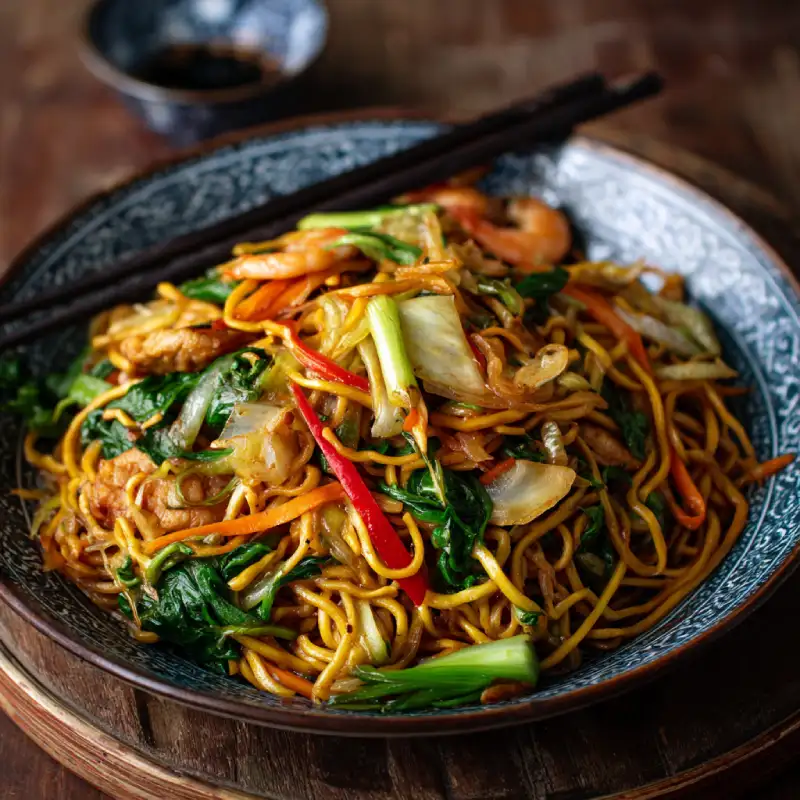
Are you craving that irresistible, savory, and slightly crispy noodle dish but need a gluten-free option? Look no further! This Delicious Gluten-Free Chow Mein recipe is your ticket to authentic flavors without compromise. My personal journey to find a safe and delicious option led directly to this recipe, which I’m absolutely thrilled to share with you today. Imagine tender, perfectly stir-fried noodles mingling with vibrant vegetables and your choice of protein, all coated in a rich, umami sauce. It’s not just good; it’s genuinely great, and it proves that being gluten-free doesn’t mean sacrificing flavor or texture. This recipe has become a staple in my kitchen, offering all the satisfaction of your favorite takeout with the peace of mind of knowing exactly what goes into it. For more amazing culinary adventures, See more good recipes here. So, let’s dive in and tackle the question: is chow mein gluten free? With this recipe, it certainly can be!
How This Gluten-Free Chow Mein Recipe Works
This recipe isn’t just a gluten-free alternative; it’s a culinary triumph in its own right. Here’s why it stands out and why it’ll become your new favorite:
- Crispy Noodles, Perfect Bite: We achieve that signature chewy-crisp noodle texture using carefully selected gluten-free alternatives. The secret lies in proper preparation and the high-heat stir-fry, giving you that delightful contrast in every bite.
- Savory Umami Flavor: Forget bland imitations! Our balanced sauce delivers a deep, authentic chow mein taste. We rely on naturally gluten-free ingredients to build layers of savory umami that rival any traditional version, proving that delicious chow mein can be gluten-free.
- Quick & Easy Weeknight Meal: Designed for minimal fuss, this dish comes together faster than calling for takeout. With a little pre-planning (mise en place!), you can have a restaurant-quality meal on the table in under 30 minutes, making it perfect for busy weeknights.
- Customizable for Everyone: Whether you’re a meat-lover, vegetarian, or vegan, this recipe adapts effortlessly. Choose your protein and your favorite vegetables to make it truly your own, ensuring everyone can enjoy delicious gluten-free chow mein.
Ingredients and Smart Substitutions for Gluten-Free Chow Mein
Here is what you need and why each ingredient plays a crucial role in creating the ultimate gluten-free chow mein experience:
Gluten-Free Chow Mein Noodles: The star of the show! For the best authentic texture, look for certified gluten-free rice noodles. Thin rice vermicelli can work well, or for a wider, chewier noodle, try flat rice noodles, sometimes labeled ‘chow fun.’ Brown rice noodles are also an excellent, wholesome option. For a lower-carb twist, spiralized zucchini or sweet potato noodles can be used, though the texture will be different. The key is to pre-soak or par-boil them according to package directions until al dente – never overcook!
Gluten-Free Soy Sauce (Tamari): This is absolutely essential for the classic umami depth of chow mein. Tamari is naturally gluten-free and performs identically to regular soy sauce in terms of flavor. PLEASE avoid regular soy sauce, as it almost always contains wheat. Kikkoman Gluten-Free Tamari is a widely available and excellent choice. If you’re soy-free, coconut aminos are a fantastic alternative, offering a slightly sweeter, milder umami.
Sesame Oil: A non-negotiable for authentic Asian flavor. Toasted sesame oil adds a distinct nutty, aromatic quality that truly elevates the dish. A little goes a long way, so use it judiciously, primarily at the end of cooking or in the sauce.
Fresh Ginger & Garlic: The aromatic backbone of our chow mein. Always opt for fresh ginger and garlic over powdered versions; their vibrant, pungent flavors are crucial for a truly authentic taste. Mince them finely to distribute their delicious essence throughout the dish.
Protein (Chicken, Shrimp, Tofu): Your choice! Chicken breast or thigh, shrimp, or extra-firm tofu all work beautifully. Slice chicken or press and cube tofu thinly to ensure quick, even cooking and to meld seamlessly with the noodles and vegetables. If using shrimp, add it towards the end as it cooks very quickly.
Vegetables (Cabbage, Carrots, Bell Peppers, Bean Sprouts): A colorful mix adds not only texture and nutrients but also visual appeal. Shredded green cabbage and julienned carrots are classic chow mein staples. Bell peppers (any color!) add a touch of sweetness and crunch. Bean sprouts are crucial for that final fresh, crisp bite, so add them right at the end. Feel free to customize with what you have on hand – snow peas, broccoli florets, or even mushrooms would also be delicious additions.
Step-by-Step Instructions: Your Visual Guide to Gluten-Free Chow Mein
Follow these step-by-step instructions to create a truly spectacular gluten-free chow mein:
1. Prepare Your Noodles
First things first, get those gluten-free noodles ready! Cook them according to the package directions, aiming for al dente – you want them cooked through but still with a slight bite, as they’ll continue to cook in the wok. This usually involves boiling or soaking depending on the type of noodle. Once cooked, immediately drain them, rinse thoroughly with cold water to stop the cooking process and remove excess starch, then toss with a tiny bit of sesame or neutral oil (like avocado or grapeseed) to prevent them from sticking together. Set aside.
2. Whisk Together the Sauce
While your noodles are chilling, let’s build that flavor-packed sauce. In a small bowl, whisk together your gluten-free tamari, a dash of toasted sesame oil, a tablespoon of cornstarch (this helps thicken the sauce), and about a quarter cup of water or vegetable/chicken broth. Make sure there are no lumps from the cornstarch. This balanced concoction is the heart of your gluten-free chow mein’s savory umami. Set this bowl aside, ready to be poured in at the last minute.
3. Cook Your Protein
Heat a large wok or a heavy-bottomed skillet over high heat. Add a tablespoon of high-smoke-point oil (like canola, grapeseed, or avocado oil). Once shimmering, add your thinly sliced chicken, shrimp, or cubed tofu. Stir-fry vigorously until it’s beautifully browned and cooked through. The high heat is crucial here for developing a nice sear without overcooking. Remove the cooked protein from the wok and set it aside on a clean plate. Don’t worry if there are a few browned bits in the pan – that’s flavor!
4. Sauté Aromatics & Vegetables
Add another splash of oil to the wok if needed. Toss in your minced fresh ginger and garlic. Stir-fry for about 30 seconds until they are incredibly fragrant – but be careful not to burn them! Next, add your firmer vegetables: the shredded cabbage, julienned carrots, and bell peppers. Stir-fry for 2-3 minutes, keeping the heat high, until they are tender-crisp. You want them bright and vibrant, not soft or mushy.
5. Combine & Finish the Chow Mein
It’s time for everything to come together! Return your cooked protein to the wok with the sautéed vegetables. Add your prepared gluten-free noodles. Give the sauce mixture another quick whisk (as the cornstarch can settle) and pour it over everything in the wok. Using tongs or two spatulas, toss continuously and vigorously. Make sure the sauce coats every strand of noodle and every piece of ingredient. Keep tossing until the sauce thickens and adheres nicely. Finally, toss in the bean sprouts – stir-fry for just 30 seconds to warm them through while maintaining their fresh crunch. Serve immediately!
Expert Tips for Gluten-Free Chow Mein Success
- High Heat is Key: For authentic stir-frying results, a smoking hot wok or large skillet is non-negotiable. This ensures your ingredients stir-fry and caramelize, rather than steam and become soggy. Don’t be afraid of the heat!
- Don’t Overcrowd the Pan: This is a common mistake! If you put too many ingredients into the wok at once, the temperature will drop, and everything will steam. Cook in batches if necessary, especially for the protein, to ensure proper browning.
- Prep All Ingredients First (Mise en Place): Stir-frying happens incredibly fast. Once you start, there’s no time to chop. Have all your vegetables sliced, protein cubed, and sauce whisked and ready to go right by your stove. This will ensure a smooth, stress-free cooking experience.
- Adjust Sauce to Taste: Before adding the noodles, taste your sauce. Do you want it a little sweeter? Add a pinch of sugar or maple syrup. More savory? A little more tamari. A hint of spice? A dash of sriracha or red pepper flakes. Personalize it!
- For Extra Crispiness: If you love super crispy noodles, after cooking your chow mein, you can take a portion of the noodles and pan-fry them separately in a little oil until delightfully crispy, then mix them back in just before serving. This adds an incredible textural contrast.
- Use Fresh Aromatics: While garlic and ginger powder can work in a pinch, fresh ingredients elevate this dish dramatically. The vibrant, pungent flavors are crucial for that authentic, restaurant-quality taste.
What to Serve With Your Gluten-Free Chow Mein
While this gluten-free chow mein is a complete meal in itself, pairing it with a few complementary dishes can turn it into an unforgettable feast. Here are some of my favorite suggestions:
- Steamed Edamame: A simple, healthy, and satisfying appetizer. Lightly salted, they offer a great nutritional boost and a pleasant contrast to the richness of the chow mein.
- Gluten-Free Spring Rolls: Look for pre-made options at your local Asian market or health food store, ensuring they are certified gluten-free. Alternatively, you can easily make your own using rice paper wrappers for a fresh, light bite.
- Cucumber Salad: A refreshing and acidic counterpoint. Thinly sliced cucumbers dressed with rice vinegar, a touch of sesame oil, and perhaps some chili flakes offer a palate cleanser that balances the savory chow mein beautifully.
- Lettuce Wraps: Get creative! You can use the gluten-free chow mein filling as a base for delicious lettuce wraps. Just spoon some into crisp lettuce cups like butter or iceberg lettuce for an additional, lighter way to enjoy the dish.
- Rice: For those who love a hearty meal, a small side of steamed jasmine or brown rice can soak up any extra sauce and provide another comforting element.
Storing and Reheating Gluten-Free Chow Mein
One of the best things about homemade chow mein is that it often tastes even better the next day! Here’s how to properly store and reheat your delicious leftovers:
- Storage: Allow any leftover gluten-free chow mein to cool completely to room temperature (this prevents condensation and keeps it from getting soggy). Transfer it to an airtight container and store it in the refrigerator for up to 3 days. Freezing is generally not recommended, as the noodles and vegetables can become quite mushy upon thawing.
- Reheating: For best results, reheat your chow mein in a skillet over medium heat. Add a splash of water or broth (about 1-2 tablespoons per serving) to help rehydrate the noodles and prevent them from drying out. Stir-fry gently until heated through. This method will help maintain some of that desirable chewy-crisp texture. While microwave reheating is also an option for convenience, be aware that it may result in softer noodles and vegetables. If using a microwave, heat in short intervals, stirring occasionally.
Gluten-Free Chow Mein FAQ
Is authentic chow mein gluten-free?
What noodles are best for gluten-free chow mein?
Can I make this vegetarian/vegan?
Can I prepare ingredients ahead of time?
What if my chow mein is too bland or too salty?
Delicious Gluten-Free Chow Mein
- Total Time: 35 minutes
- Yield: 4 servings
Description
Enjoy the classic flavors and textures of chow mein, completely gluten-free. This easy recipe ensures a savory, satisfying meal faster than takeout.
Ingredients
- 8 oz (about 225g) Gluten-Free Rice Noodles (flat or vermicelli)
- 1 tbsp Neutral Oil (e.g., canola, grapeseed, avocado)
- 8 oz (about 225g) Protein (thinly sliced chicken breast, shrimp, or cubed extra-firm tofu)
- 1 tbsp Neutral Oil (for stir-frying)
- 1 tbsp Fresh Ginger, minced
- 2 cloves Garlic, minced
- 2 cups Shredded Cabbage
- 1 cup Julienned Carrots
- 1/2 cup Sliced Bell Pepper (any color)
- 1 cup Fresh Bean Sprouts
- 1/4 cup Gluten-Free Tamari (or Coconut Aminos)
- 1 tbsp Toasted Sesame Oil
- 1 tbsp Cornstarch
- 1/4 cup Water or Broth (vegetable or chicken)
Instructions
- Step 1: Prepare Noodles: Cook gluten-free noodles according to package directions until al dente. Drain, rinse with cold water, and toss with a little oil to prevent sticking. Set aside.
- Step 2: Prepare Sauce: In a small bowl, whisk together gluten-free tamari, sesame oil, cornstarch, and water (or broth). Set aside.
- Step 3: Cook Protein: Heat 1 tbsp oil in a large wok or skillet over high heat. Add protein and cook until browned and cooked through. Remove from wok and set aside.
- Step 4: Sauté Aromatics & Vegetables: Add another 1 tbsp oil if needed. Sauté ginger and garlic until fragrant (about 30 seconds). Add cabbage, carrots, and bell peppers. Stir-fry for 2-3 minutes until tender-crisp.
- Step 5: Combine & Finish: Return cooked protein to the wok. Add prepared noodles and the whisked sauce mixture. Toss continuously until the sauce thickens and coats all ingredients. Stir in bean sprouts just before serving and cook for 30 seconds. Serve immediately.
- Prep Time: 20 mins
- Cook Time: 15 mins