


Table of Contents
- Mastering My Healthy Hibachi Chicken at Home
- How My Hibachi Chicken Recipe Delivers on Flavor (and Macros)
- The Ingredients: Why Each One Matters for Nutrition & Taste
- Step-by-Step: Your Path to Perfect, Calorie-Conscious Hibachi
- Expert Tips for Hibachi Chicken Success & Calorie Management
- What to Serve With Your Healthy Hibachi Chicken
- Storing and Reheating Your Hibachi Chicken
- Hibachi Chicken Calories FAQ
Mastering My Healthy Hibachi Chicken at Home
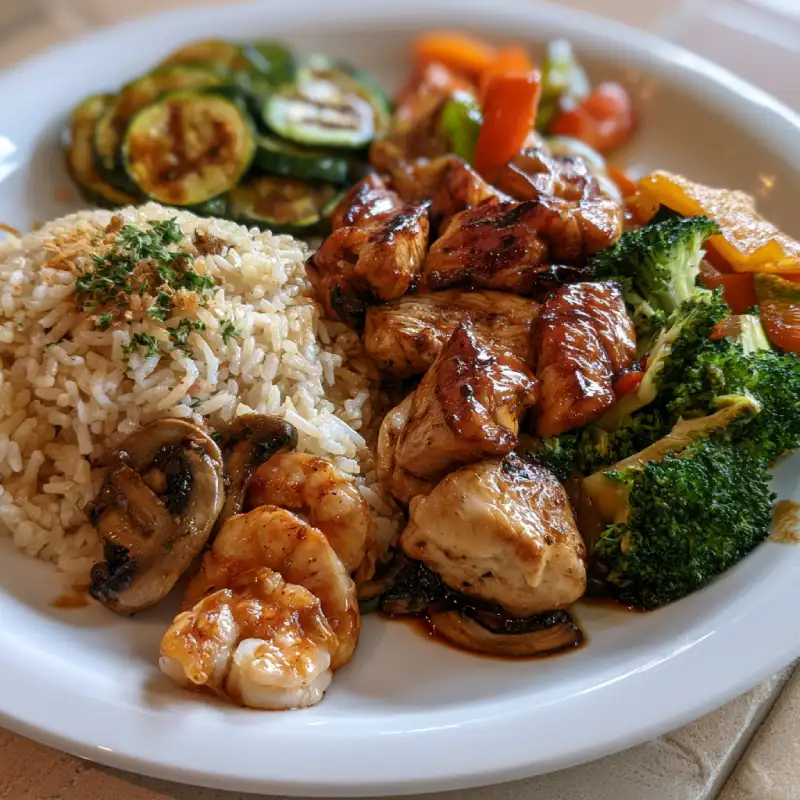
Oh, the sizzling sounds, the intoxicating aroma, the perfectly seared chicken and crisp-tender vegetables dancing on the grill! Few dining experiences are as delightful as hibachi, but often, the calorie count can be a hidden surprise. I’m here to tell you that enjoying that authentic hibachi flavor doesn’t have to mean compromising your health goals. This recipe isn’t just about recreating a restaurant favorite; it’s about mastering a healthy, flavorful version right in your own kitchen! See more good recipes here that prioritize both taste and well-being. Get ready to dive into understanding hibachi chicken calories like never before.
My Journey to a Lighter Hibachi
For years, I adored hibachi but always left feeling a little guilty about the indulgent portions and unseen oil. I embarked on a mission to crack the code: how to get that signature taste and perfectly cooked components without the extra calories and sodium. It took countless experiments, but I finally landed on a method that delivers all the sizzle with none of the regret.
Why This Recipe Is a Game-Changer for Calorie Counters
This isn’t just another chicken stir-fry. This recipe is meticulously designed to maximize flavor while being mindful of every ingredient’s impact on your daily macros. We’re focusing on lean protein, nutrient-dense vegetables, and clever seasoning techniques that keep unhealthy fats and hidden sugars at bay. Understanding hibachi chicken calories starts with smart ingredient choices, and this guide walks you through every single one. You’ll be amazed at how satisfying healthy can be!
How My Hibachi Chicken Recipe Delivers on Flavor (and Macros)
Juicy, Seared Chicken Every Time
The secret to incredible hibachi chicken lies in a perfect sear. We’ll achieve a beautiful golden-brown crust that locks in moisture, ensuring every bite is tender and full of flavor. No dry, rubbery chicken here – just succulent pieces that sing with the marinade. This mastery of searing is key to making sure every calorie counts towards deliciousness.
Flavorful, Lightly Caramelized Vegetables
Forget soggy, overcooked veggies! Our method ensures your vegetables are crisp-tender with a slight caramelization, bringing out their natural sweetness and vibrant colors. From crisp broccoli to sweet carrots and onions, each vegetable contributes its unique texture and nutrients, making these hibachi chicken calories nutrient-dense and satisfying.
Authentic Hibachi Taste, Healthier Profile
You might be wondering if cutting down on calories means cutting down on taste. Absolutely not! We utilize key flavor enhancers like fresh ginger, garlic, and a balanced soy-based marinade to deliver that unmistakable hibachi essence. By controlling sodium and added sugars, we get all the authentic flavor without the dietary compromise. This is where understanding hibachi chicken calories truly pays off.
Why This Recipe Works
- Perfectly Balanced Flavors: Our marinade delivers classic hibachi taste without being overly salty or sweet, letting the fresh ingredients shine.
- Optimal Texture Guarantee: Through specific cooking techniques, both the chicken and vegetables achieve ideal tenderness and crispness, never dry or mushy.
- Customizable for Dietary Needs: Easy modifications mean this recipe can be low-carb, gluten-free, or adjusted for sodium preferences without sacrificing flavor.
The Ingredients: Why Each One Matters for Nutrition & Taste
Here is what you need and why:
Lean Protein: Chicken Breast (and Thigh Option): I primarily use boneless, skinless chicken breast for its lean protein content, making it an excellent choice for managing hibachi chicken calories. It cooks quickly and absorbs flavors beautifully. If you prefer a richer flavor and slightly higher fat content (which means a bit more calories but also more moisture), boneless, skinless chicken thighs are a fantastic alternative. Both are packed with essential amino acids.
Fresh Veggies: The Calorie-Smart Core: This is where you can pack in volume and nutrients without significantly increasing calories. My go-to’s include broccoli florets, sliced carrots, bell peppers (any color!), and onions. Mushrooms, zucchini, and snap peas also make excellent additions. They provide fiber, vitamins, and minerals, making your hibachi chicken calories incredibly satisfying and healthful. Fresh is always best for flavor and texture.
Flavor Boosters: Soy Sauce, Ginger, Garlic (Sodium Control): These three are the backbone of hibachi flavor! Use a good quality, low-sodium soy sauce to keep the sodium in check. Freshly grated ginger adds a pungent, slightly spicy warmth, while minced garlic provides aromatic depth. Don’t skimp on these – they are crucial for authentic taste. These flavor boosters allow us to reduce reliance on higher-calorie sauces.
Healthy Fats: Sesame Oil (Used Sparingly): A tiny drizzle of toasted sesame oil at the end is a game-changer. It provides a distinct nutty aroma and flavor that screams hibachi. However, sesame oil is potent and calorie-dense, so use it sparingly – just enough to lend its characteristic taste without adding excessive fat or calories.
Sweetener: A Touch of Honey or Sugar (Why Less is More): A small amount of sweetener helps balance the savory and salty notes in the marinade and aids in the slight caramelization of the chicken and vegetables. I recommend using just a teaspoon or two of honey or brown sugar. This subtle sweetness elevates the dish without making it overly sugary, keeping your hibachi chicken calories in check.
How to Make Healthy Hibachi Chicken
Follow these step-by-step photos:
1. Prep Like a Pro: Chicken and Vegetable Cuts
Begin by cutting your chicken breast into uniform 1-inch pieces. This ensures even cooking. For your vegetables, slice onions and bell peppers into thin strips. Cut carrots into thin rounds or julienne. Break broccoli into small florets. Having everything prepped before you start cooking is key to a smooth hibachi experience.
2. The Marinade: Infusing Flavor Without Excess
In a bowl, whisk together your low-sodium soy sauce, fresh grated ginger, minced garlic, a tiny dash of sesame oil, and a touch of honey or brown sugar. Add the chicken pieces to this marinade, tossing to coat evenly. Let it marinate for at least 15-20 minutes at room temperature, or up to 30 minutes in the refrigerator. This brief marinade infuses flavor without needing excessive oil.
3. Searing the Chicken: Achieving Golden Perfection
Heat a large skillet or wok over medium-high heat. Add a very small amount of high-smoke-point oil (like avocado or grapeseed, about 1-2 teaspoons). Once shimmering, add the chicken in a single layer, making sure not to overcrowd the pan. Cook for 3-4 minutes per side, until deeply golden brown and cooked through. Remove the chicken from the pan and set aside.
4. Cooking the Vegetables: Crisp-Tender Results
In the same pan, add another drizzle of oil if needed (about 1 teaspoon). Add the harder vegetables first, like carrots and onions, and stir-fry for 3-4 minutes until they begin to soften. Then add the bell peppers and broccoli florets. Continue to stir-fry for another 3-5 minutes, until the vegetables are crisp-tender and brightly colored. You want them cooked but still with a slight bite.
5. Bringing It All Together: The Flavorful Finish
Return the cooked chicken to the pan with the vegetables. Add a final splash of low-sodium soy sauce (or a tablespoon of the original marinade if you saved some). Toss everything together for 1-2 minutes, allowing the flavors to meld and the chicken to reheat. Serve immediately and enjoy your perfectly balanced, lower-calorie hibachi chicken!
Expert Tips for Hibachi Chicken Success & Calorie Management
- Don’t Overcrowd the Pan (Crucial for Searing): This is perhaps the most important tip for achieving that desirable sear. If you add too much chicken or too many vegetables at once, the pan temperature drops, leading to steaming instead of searing. Work in batches if necessary.
- Control the Oil: A Little Goes a Long Way: You don’t need a lot of oil for stir-frying. A teaspoon or two of a high-smoke-point oil (like avocado or grapeseed) is usually sufficient per batch. Use a non-stick pan for even better results with minimal oil.
- Adjust Soy Sauce for Sodium (and Calories): Always opt for low-sodium soy sauce to control your intake. If you’re very sensitive to sodium, you can dilute it with a little water or chicken broth, or use coconut aminos as an alternative.
- Vary Your Vegetables for Nutrient Density: Don’t limit yourself to just a few veggies. The more variety you include – different colors, different textures – the broader the spectrum of vitamins, minerals, and antioxidants you’ll get, while keeping hibachi chicken calories low.
- Invest in Quality Ingredients: Fresh, good-quality chicken and vibrant vegetables will always taste better and provide more nutrients. You’ll truly taste the difference, and it makes healthy eating more enjoyable.
What to Serve With Your Healthy Hibachi Chicken
Fluffy Cauliflower Rice (Low-Carb, Low-Cal)
For an excellent low-carb and low-calorie option, fluffy cauliflower rice is your best friend. It has a neutral flavor that perfectly absorbs the delicious hibachi sauce and adds a significant volume of vegetables to your meal.
Steamed Brown Rice (Fiber-Rich)
If you prefer a classic, choose steamed brown rice. It’s packed with fiber, which helps with satiety, and has a wonderful nutty flavor that complements the chicken and vegetables beautifully. It’s a healthier complex carbohydrate choice compared to white rice.
Extra Steamed Vegetables
Who says you can have too many vegetables? Serve a side of lightly steamed green beans, asparagus, or additional broccoli to boost your nutrient intake and volume without adding many hibachi chicken calories.
My Lightened-Up Yum Yum Sauce (Recipe Link from Food Network)
No hibachi meal is complete without Yum Yum sauce! I’ve experimented with a lightened-up version that cuts down on mayo and sugar. Check out this excellent recipe from Food Network for a delicious, savory addition to your meal.
Storing and Reheating Your Hibachi Chicken
Best Practices for Refrigeration
Store any leftover hibachi chicken and vegetables in an airtight container in the refrigerator for up to 3-4 days. Allow the food to cool completely before sealing and refrigerating to prevent condensation and maintain freshness.
Freezing for Future Meals (If Applicable)
Yes, hibachi chicken can be frozen for future meals! Place cooled chicken and vegetables in a freezer-safe airtight container or heavy-duty freezer bag. It will keep well for up to 2-3 months. Thaw overnight in the refrigerator before reheating.
Reheating for Optimal Texture and Flavor
For best results, reheat your hibachi chicken in a skillet over medium heat. Add a splash of water or broth to prevent drying out and stir-fry until heated through. You can also microwave individual portions, but the skillet method will maintain better texture in the vegetables and chicken.
Frequently Asked Questions
How many calories are in hibachi chicken?
Can I make hibachi chicken keto-friendly?
What’s the best way to reduce sodium?
Is hibachi chicken healthy for weight loss?
How can I meal prep hibachi chicken?
Healthy Hibachi Chicken
- Total Time: 40 minutes
- Yield: 4 servings
Description
Master the art of delicious, calorie-conscious hibachi chicken at home with this easy-to-follow recipe. Enjoy authentic flavors and perfect textures without compromising your health goals.
Ingredients
- 1.5 lbs boneless, skinless chicken breast, cut into 1-inch cubes
- 1 tbsp low-sodium soy sauce (or coconut aminos, divided)
- 1 tsp freshly grated ginger
- 2 cloves garlic, minced (divided)
- 1 tsp honey or brown sugar (optional, for marinade)
- 1 tbsp avocado oil or grapeseed oil (divided)
- 1 small head broccoli, cut into small florets
- 2 medium carrots, thinly sliced or julienned
- 1 medium onion, thinly sliced
- 1 bell pepper (any color), thinly sliced
- 1/2 tsp toasted sesame oil (for finishing)
- Salt and black pepper to taste
Instructions
- In a medium bowl, combine chicken with 1 teaspoon low-sodium soy sauce, half of the grated ginger, half of the minced garlic, and the optional honey/sugar. Toss to coat and let marinate for at least 15 minutes.
- Heat 1/2 tablespoon of avocado or grapeseed oil in a large skillet or wok over medium-high heat until shimmering.
- Add half of the marinated chicken to the skillet in a single layer (do not overcrowd). Sear for 3-4 minutes per side until golden brown and cooked through. Remove chicken to a plate and repeat with remaining chicken, adding more oil if needed.
- Add the remaining 1/2 tablespoon of oil to the skillet. Add carrots and onions and stir-fry for 3-4 minutes until they begin to soften.
- Add bell pepper and broccoli florets. Continue to stir-fry for 3-5 minutes until vegetables are crisp-tender.
- Return all cooked chicken to the skillet with the vegetables. Add the remaining soy sauce, ginger, and garlic. Toss well to combine and heat through, about 1-2 minutes.
- Remove from heat, drizzle with toasted sesame oil, and season with salt and pepper to taste. Serve immediately.
- Prep Time: 20 mins
- Cook Time: 20 mins