


Table of Contents
- The Gluten-Free Pad Thai You’ve Been Craving
- Essential Ingredients & Smart Substitutions for GF Pad Thai
- Step-by-Step: Your Visual Guide to Gluten-Free Pad Thai
- Expert Tips for Gluten-Free Pad Thai Success
- What to Serve with Your Gluten-Free Pad Thai
- Storing & Reheating Gluten-Free Pad Thai for Best Results
- Gluten-Free Pad Thai FAQs
The Gluten-Free Pad Thai You’ve Been Craving
Are pad thai noodles gluten free? This is a question I’ve heard countless times from friends and fellow food lovers who adore the vibrant, irresistible flavors of traditional Pad Thai but need to stick to a gluten-free diet. That iconic sweet, sour, salty, and spicy dance on your palate, combined with the perfectly chewy noodles and tender proteins – it’s a culinary masterpiece. For too long, many assumed that a truly authentic-tasting gluten-free Pad Thai was a myth, a dish forever out of reach. But I’m here to tell you, with absolute confidence, that not only is it possible, it’s utterly delicious and surprisingly straightforward to achieve right in your own kitchen! If you love digging into amazing homemade dishes like this, be sure to See more good recipes here .
My Journey to a Perfect Gluten-Free Pad Thai
My own quest for the ultimate gluten-free Pad Thai began years ago, fueled by a craving that store-bought versions just couldn’t satisfy. I experimented endlessly, testing different noodle types, scrutinizing ingredient labels, and refining the sauce until it sang with the authentic balance I remembered from my favorite Thai restaurants. The key, I discovered, lay in understanding the core components of the dish and knowing exactly which substitutions would preserve its integrity without compromising on flavor or texture. No more watery, bland, or sticky G.F. renditions – only pure Pad Thai joy!
Why This Recipe Delivers Authentic GF Pad Thai Flavor and Texture
This recipe isn’t just ‘good for gluten-free’ – it’s just plain good Pad Thai! It meticulously recreates that sought-after balance of flavors and textures that define the dish. The careful selection of gluten-free alternatives ensures you don’t miss a beat. From properly rehydrated rice noodles that offer that perfect chewiness to a rich, complex sauce crafted from naturally gluten-free ingredients, every element has been considered to deliver an authentic experience. Prepare yourself for a symphony of sweet tamarind, tangy lime, savory fish sauce, and a satisfying hint of chili that will transport your taste buds straight to Thailand.
Essential Ingredients & Smart Substitutions for GF Pad Thai
Here is what you need and why:
Gluten-Free Noodle Spotlight: Rice Noodles vs. Alternatives (Why and How to Use): This is where the magic begins! Traditional Pad Thai is made with flat rice noodles, which are naturally gluten-free. Brands like Thai Kitchen are widely available and excellent. Look for ‘Pad Thai noodles’ which are medium-width flat rice noodles. Be cautious, though – while rice is gluten-free, always double-check the ingredient list to ensure no wheat or other gluten-containing additives have snuck in during processing, especially with flavored or instant varieties. I adore rice noodles for their delicate chew and ability to soak up the sauce beautifully. Avoid vermicelli (too thin) or wide rice sheets (too delicate for stir-frying) for this recipe.
The Pad Thai Sauce: Crafting a Balanced Gluten-Free Blend: The sauce is the heart and soul of Pad Thai! My blend perfectly balances sweet, sour, salty, and a touch of savory umami. You’ll need: Tamarind Paste/Concentrate (provides the essential sour fruitiness – choose a seedless, unsweetened variety), Gluten-Free Fish Sauce (essential for that deep savory umami – almost all fish sauces are naturally GF, but check labels to be sure!), Coconut Sugar or Brown Sugar (for sweet balance, coconut sugar adds a lovely caramel note), and a touch of Sriracha or Chili Flakes (for adjustable heat). Don’t skip the tamarind; it’s non-negotiable for authentic flavor!
Protein Power: Chicken, Shrimp, or Tofu (GF Considerations): Choose your adventure! Thinly sliced chicken breast or thighs, succulent shrimp, or firm/extra-firm tofu are all fantastic. If using tofu, press it well to remove excess water for a better texture. Ensure any marinated proteins are made with gluten-free ingredients (e.g., GF soy sauce/tamari instead of regular soy sauce). For chicken or shrimp, ensure they are unbreaded and not pre-seasoned with GF ingredients.
Fresh Veggies & Must-Have Toppings: Crisp fresh vegetables add texture and nutrition. Essential veggies typically include Bean Sprouts and Garlic Chives (or green onions if chives are unavailable). Other welcome additions are shredded carrots or red bell pepper strips. For toppings, you absolutely cannot forget Peanuts (roasted and crushed for crunch), fresh Lime Wedges (for a final burst of tang), and extra Bean Sprouts and Cilantro for garnish. A sprinkle of chili flakes if you like extra heat!
Step-by-Step: Your Visual Guide to Gluten-Free Pad Thai
Follow these step-by-step photos:
1. Prep Your Ingredients: The Key to Wok Success
Before you even think about turning on the heat, have *everything* prepped and within arm’s reach! This includes soaking your noodles, mixing your sauce, chopping your protein, mincing garlic, and preparing all your vegetables and garnishes. Pad Thai cooks incredibly fast, and you won’t have time to chop or measure once the stir-frying begins. This mise en place is non-negotiable for a perfect outcome.
2. Crafting the Perfect Pad Thai Sauce
In a small bowl, whisk together the tamarind paste, gluten-free fish sauce, coconut sugar (or brown sugar), and Sriracha until the sugar is fully dissolved. Taste and adjust – it should be a delightful blend of sweet, sour, and salty. This is your flavor base, so make sure it tastes good on its own!
3. Cooking Your Noodles: The Right Texture Matters
Soak your dry rice noodles in hot (but not boiling) water for about 10-15 minutes, or according to package directions, until they are pliable but still firm to the bite – al dente. They will finish cooking in the wok! Overcooked noodles will turn mushy. Drain them well and rinse with cold water to prevent sticking, then set aside.
4. Sautéing Proteins and Veggies
Heat a large wok or skillet over high heat with a tablespoon of oil. Add your chosen protein (chicken, shrimp, or pressed tofu) and stir-fry until cooked through and lightly browned. Push the cooked protein to one side of the wok. Add minced garlic to the empty hot spot and cook until fragrant (about 30 seconds). Add any harder vegetables like carrots, if using, and stir-fry briefly.
5. Bringing It All Together: The Iconic Swirl
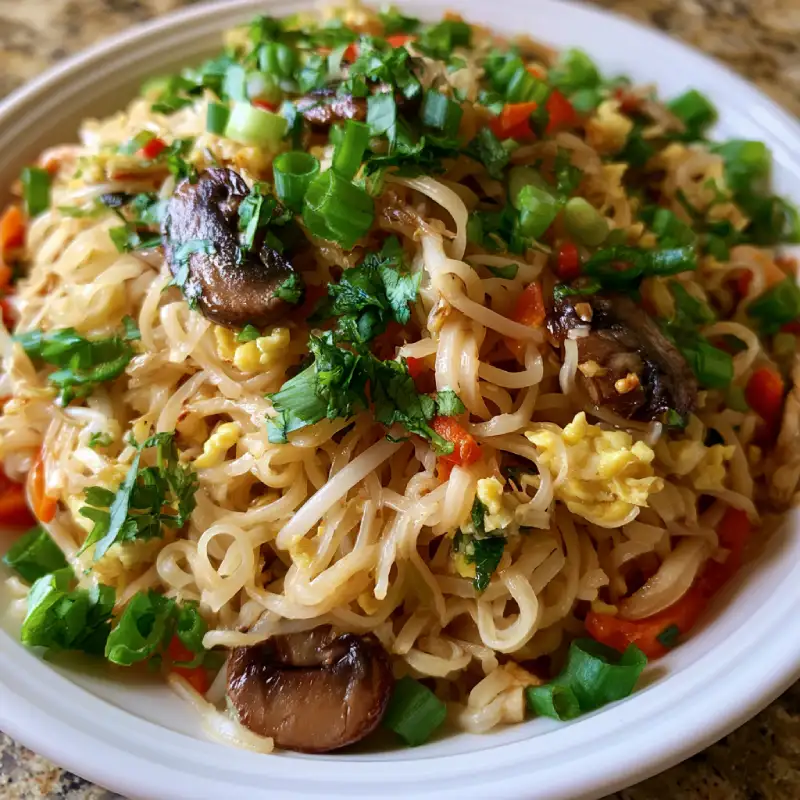
Add the drained noodles to the wok, along with the Pad Thai sauce. Toss everything vigorously to coat the noodles evenly. If the pan seems dry, a tablespoon or two of water can help. Create a small well in the center, crack in an egg, and scramble it quickly. Once cooked, mix the egg into the noodles. Finally, toss in the bean sprouts and garlic chives (or green onions) and stir-fry for just 30-60 seconds until they are slightly wilted but still retain some crunch. Serve immediately, garnished generously with crushed peanuts, fresh lime wedges, and cilantro.
Expert Tips for Gluten-Free Pad Thai Success
- Noodle Hydration Secrets: Avoiding Stickiness: Don’t soak your noodles in boiling water unless explicitly stated. Hot tap water or warm water from a kettle is usually sufficient to rehydrate them to a pliable, al dente state. Over-soaking leads to mush. Rinsing them with cold water after draining also helps prevent them from sticking together. A tiny drizzle of oil tossed through them can also act as insurance.
- Heat Control: Mastering the Wok or Skillet: Pad Thai needs high heat! Use the largest wok or skillet you have and get it smoking hot before adding oil and ingredients. This ensures a proper stir-fry, resulting in caramelized bits and preventing the ingredients from steaming. Work in batches if your pan isn’t large enough to avoid overcrowding, which drops the temperature.
- Flavor Balance: Adjusting Sweet, Sour, Salty, Spicy: This is personal! Taste your sauce before adding it. If you prefer more tang, add a squeeze of lime or a touch more tamarind. Sweeter? A touch more sugar. Saltier? More fish sauce. Spicier? Extra Sriracha or chili flakes at the end. Don’t be afraid to adjust to your palate.
- Mise en Place is Your Best Friend: I cannot stress this enough. Have everything – and I mean everything – chopped, measured, and ready to go in individual bowls. Pad Thai cooks in minutes, and there’s no time to fumble for ingredients once you start.
- Use Fresh Ingredients: Fresh lime juice and cilantro make a huge difference. Don’t use bottled lime juice if you can avoid it, and fresh sprouts add that essential textural crunch.
What to Serve with Your Gluten-Free Pad Thai
Classic Sides
While Pad Thai is often a complete meal in itself, a light appetizer or side can beautifully complement its rich flavors. Consider a simple Thai cucumber salad, which offers a refreshing crunch and a hint of tang to cut through the richness. Or, for something more substantial, spring rolls (ensure they are gluten-free, often made with rice paper) served with a sweet and sour dipping sauce can be a delightful addition.
Beverage Pairings
For drinks, a cold Thai iced tea (made with coconut milk if you prefer dairy-free) is a classic pairing. The sweetness and creaminess perfectly balance the Pad Thai’s savory and spicy notes. Alternatively, a crisp, cold lager provides a refreshing contrast. For non-alcoholic options, sparkling water with fresh lime or a light, aromatic jasmine tea can be lovely.
Storing & Reheating Gluten-Free Pad Thai for Best Results
Proper Storage Techniques
To keep your gluten-free Pad Thai tasting its best, allow it to cool completely before transferring it to an airtight container. Store it in the refrigerator for up to 3 days. While you can freeze individual portions, the texture of rice noodles can change upon thawing, becoming a bit softer. If you do freeze, use freezer-safe containers and plan to consume within 1-2 months.
Reheating Without Losing Flavor or Texture
The best way to reheat Pad Thai is in a skillet or wok over medium heat. Add a tiny splash of water or gluten-free chicken/vegetable broth to loosen the noodles and prevent them from drying out. Stir-fry gently until heated through. Avoid microwaving if possible, as it can make the noodles rubbery. If you must use a microwave, reheat in short bursts, stirring frequently, and consider adding a damp paper towel to maintain some moisture.
Gluten-Free Pad Thai FAQs
Are all rice noodles gluten-free?
Can I make this recipe vegetarian or vegan?
How can I make my Pad Thai spicier or milder?
Where can I buy gluten-free tamari or fish sauce?
Gluten-Free Pad Thai
- Total Time: 35 minutes
- Yield: 4 servings
Description
Master the art of authentic gluten-free Pad Thai with chewy rice noodles and a perfectly balanced sweet, sour, and savory sauce. This recipe brings the vibrant flavors of Thailand straight to your gluten-free kitchen.
Ingredients
- 8 oz flat wide rice noodles (Pad Thai noodles), gluten-free
- 2 tbsp neutral oil (like canola or grapeseed)
- 8 oz boneless, skinless chicken breast or thighs, thinly sliced (or 8 oz peeled and deveined shrimp or 1 block firm tofu, pressed and cubed)
- 2 cloves garlic, minced
- 1 large egg, lightly beaten
- 3 cups fresh bean sprouts, divided
- 3 Green onions or garlic chives, chopped
- 1/4 cup tamarind paste (seedless, unsweetened)
- 1/4 cup gluten-free fish sauce
- 3 tbsp coconut sugar or brown sugar
- 1–2 tsp Sriracha or chili flakes (to taste)
- 1/4 cup roasted peanuts, crushed, for garnish
- 2 tbsp fresh cilantro, chopped, for garnish
- 2 lime wedges, for serving
Instructions
- Soak Noodles: Place the rice noodles in a large bowl and cover with hot (not boiling) water. Let them soak for 10-15 minutes, or until pliable but still firm. Drain well and rinse with cold water to prevent sticking.
- Prepare Sauce: In a small bowl, whisk together the tamarind paste, gluten-free fish sauce, coconut sugar, and Sriracha until the sugar dissolves.
- Cook Protein: Heat 1 tbsp oil in a large wok or skillet over high heat until smoking. Add chicken/shrimp/tofu and stir-fry until cooked through and lightly browned (about 3-5 minutes). Remove from wok and set aside.
- Aromatics & Egg: Add remaining 1 tbsp oil to the wok. Add minced garlic and stir-fry for 30 seconds until fragrant. Pour in the beaten egg and quickly scramble until just set.
- Combine: Add the drained noodles to the wok, along with the Pad Thai sauce. Toss vigorously to coat the noodles evenly. Add the cooked protein back to the wok.
- Final Toss: Add two-thirds of the bean sprouts and all of the chopped green onions/garlic chives. Stir-fry for another 1-2 minutes until vegetables are slightly wilted but still crisp.
- Serve: Transfer immediately to serving plates. Garnish generously with crushed peanuts, fresh cilantro, and the remaining fresh bean sprouts. Serve with fresh lime wedges on the side.
- Prep Time: 20 mins
- Cook Time: 15 mins