


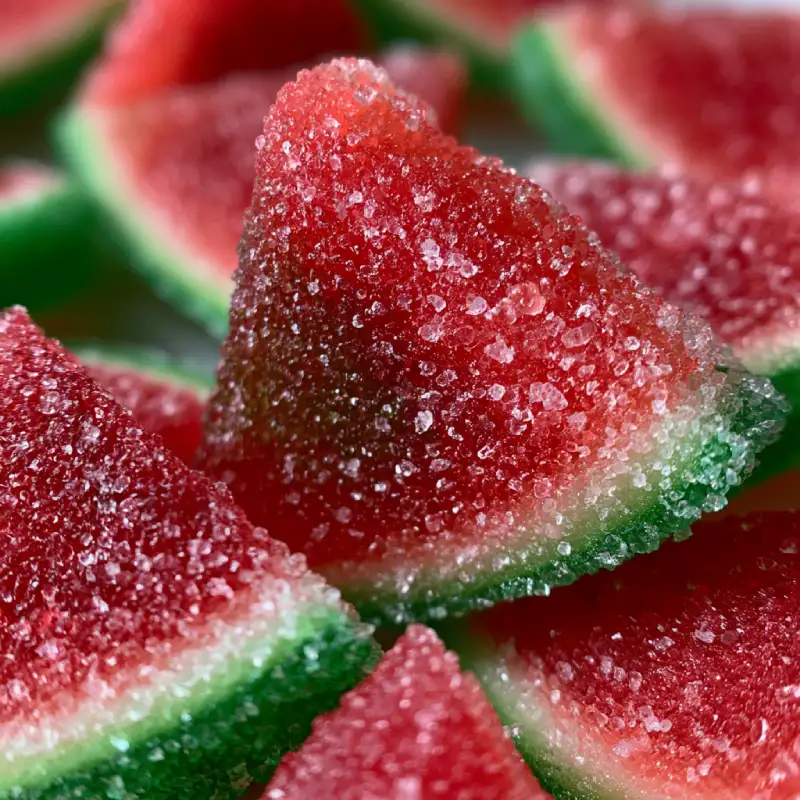
Make Watermelon Sour Candy Like a Pro
Get ready to tantalize your taste buds with a burst of summery sweetness and an electrifying pucker! This homemade watermelon sour candy recipe delivers that iconic chewy texture and an unforgettable sweet-tart flavor that will have you reaching for more. Imagine biting into a vibrant, translucent square, immediately hit with a sugary, sour jolt, followed by the refreshing taste of watermelon. It’s an experience that store-bought versions simply can’t replicate. Trust me, once you try this, you’ll be declaring yourself a candy connoisseur! For more delicious recipes, you can always See more good recipes here .
Why This Watermelon Sour Candy Recipe is a Must-Try
- Unbeatable Flavor: We’re not just making sour candy; we’re crafting a potent watermelon experience that’s far superior to anything from a package.
- Perfect Chewy Texture: No rock-hard candy here! Our precise method guarantees that delightful give and satisfying chew.
- Customizable Sourness: Want a mild tang or a truly face-puckering zing? This recipe allows you to adjust the sour power to your preference.
- Fun and Rewarding: There’s immense satisfaction in creating your own gourmet candy from scratch, perfect for gifting or impressing friends.
My Journey to the Perfect Homemade Sour Candy
My quest for the ultimate homemade sour candy began years ago, fueled by a childhood obsession with those brightly colored, sugar-dusted treats. I experimented with countless recipes, battling sticky messes, grainy textures, and flavors that fell flat. It wasn’t until I truly understood the science behind gelatin, sugar, and organic acids that I cracked the code. This watermelon sour candy recipe is the culmination of countless trials and errors, meticulously refined to ensure your success. It’s the kind of recipe that makes you feel like a mad scientist in the best possible way, yielding consistently perfect results every single time.
How This Watermelon Sour Candy Recipe Works
Understanding the ‘why’ behind each step transforms simple cooking into confident creation. This watermelon sour candy isn’t just a recipe; it’s a lesson in candy making!
Achieving the Ideal Chewy Texture
The magic ingredient for that satisfying chew is, of course, gelatin. But it’s not just about adding gelatin; it’s about blooming it correctly and then cooking the mixture to the precise temperature. Heating the sugar solution to the ‘soft ball’ stage (around 240-245°F or 115-118°C) removes excess moisture, concentrating the sugars and ensuring the candy sets firm yet pliable, not gummy or brittle. The interaction of the gelatin with this concentrated sugar syrup creates the resilient, bouncy texture we crave.
Balancing Sweet and Sour Flavors
This is where citric acid and malic acid truly shine. Sugar provides the foundational sweetness, while a combination of these two acids delivers a complex, prolonged sour sensation. Citric acid offers an immediate, sharp tartness, reminiscent of lemons, while malic acid provides a smoother, longer-lasting sourness, often found in green apples, which complements the watermelon flavor beautifully. The right ratio is key to preventing an overwhelming ‘just sour’ taste, allowing the watermelon to shine through.
Intensifying Natural Watermelon Taste
While artificial flavorings can be potent, my preference is always for natural extracts when possible, or a high-quality artificial flavoring for maximum impact without an overly chemical taste. We’ll use a concentrated watermelon flavoring to ensure that even with the punch of sourness, the juicy, summery essence of watermelon is unmistakably present. A touch of red or pink food coloring merely enhances the visual appeal, making the candy as appealing to the eyes as it is to the palate.
Ingredients and Substitutions for Watermelon Sour Candy
Here is what you need and why:
Granulated Sugar: This forms the bulk of our candy base, providing sweetness and structure. You’ll need a significant amount, but it’s essential for the proper candy consistency. Don’t skimp!
Light Corn Syrup: Acts as an interferent, preventing sugar crystallization and keeping our candy smooth and chewy, not grainy. It also adds a subtle sheen. Do not substitute with high-fructose corn syrup.
Unflavored Gelatin Powder: This is the workhorse for texture. I highly recommend using Knox brand or a similar high-quality unflavored gelatin for consistent results. It’s crucial for getting that perfect chew. King Arthur Baking has a great guide on using gelatin correctly.
Cold Water: Used to bloom the gelatin and dissolve the sugar. Ensure it’s cold to allow proper hydration of the gelatin without clumping.
Citric Acid: Provides a sharp, immediate sour punch. It’s a common food additive and easily found online or in specialty baking stores. It’s non-negotiable for serious sourness!
Malic Acid: Offers a more sustained, mellow sourness that rounds out the flavor profile. Used in conjunction with citric acid, it creates a wonderfully complex tartness. This is what gives many commercial sour candies their signature taste.
Watermelon Flavoring: This is where the watermelon magic happens! Opt for a high-quality, concentrated candy flavoring. Natural extracts tend to be milder; if you want a vibrant punch, a good artificial flavoring often works best here. A little goes a long way!
Red or Pink Food Coloring (Optional): For that vibrant, unmistakable watermelon look. Gel food colors work best for intense hues without adding excess liquid.
Powdered Sugar: Used for coating the finished candy. It prevents stickiness and provides a base for the sour coating.
Additional Citric Acid/Malic Acid for Coating: More of these sour powders are mixed with powdered sugar to create the irresistible puckery outer layer.
Step-by-Step Instructions: Making Watermelon Sour Candy
Follow these meticulously crafted steps to achieve candy perfection:
1. Prepare Your Mold and Bloom the Gelatin
Lightly grease an 8×8 inch square baking dish or silicone mold with a neutral oil (like grapeseed or vegetable). Line with parchment paper, leaving an overhang on two sides for easy removal, and lightly grease the parchment. In a small bowl, sprinkle the gelatin powder over 1/2 cup of cold water. Stir briefly to ensure all gelatin is submerged, then let it sit undisturbed for at least 5-10 minutes. This process, called ‘blooming,’ allows the gelatin granules to absorb water and swell, preparing them to dissolve smoothly later.
2. Cook the Sugar Syrup
In a heavy-bottomed 3-quart saucepan, combine the granulated sugar, light corn syrup, and the remaining 3/4 cup of cold water. Stir gently over medium heat until the sugar completely dissolves. Once dissolved, increase the heat to medium-high. Insert a candy thermometer, making sure it doesn’t touch the bottom of the pan. Bring the mixture to a rolling boil, then reduce heat slightly to maintain a steady boil. Cook, without stirring, until the thermometer registers 245°F (118°C), the soft ball stage. This usually takes 10-15 minutes. Swirl the pan occasionally to ensure even heating, but resist the urge to stir once boiling.
3. Combine Gelatin and Flavorings
As soon as the syrup reaches 245°F, remove the pan from the heat. Immediately add the bloomed gelatin mixture to the hot syrup. Stir vigorously with a whisk until the gelatin is completely dissolved and no lumps remain. This should happen quickly due to the heat of the syrup. Next, stir in the citric acid, malic acid, watermelon flavoring, and food coloring (if using). Mix until all ingredients are well combined and the color is uniform. Work quickly but carefully.
4. Pour, Set, and Cut
Carefully pour the hot candy mixture into your prepared 8×8 inch mold. Use an offset spatula to spread it evenly into the corners. Allow the candy to set at room temperature for at least 6-8 hours, or preferably overnight. Do not refrigerate, as this can make the candy ‘sweat’ later. Once firm, use the parchment overhangs to lift the slab of candy out of the mold onto a cutting board. Using a sharp, lightly oiled knife or pizza cutter, cut the candy into desired shapes – squares or rectangles work well. Keep the pieces uniform for a professional look.
5. Coat for Maximum Sourness
In a shallow dish, combine the powdered sugar with the additional citric acid and malic acid (use proportions from the recipe card for the coating). Toss a few candy pieces at a time in this sour sugar mixture until they are thoroughly coated on all sides. Shake off any excess coating. Repeat with the remaining candy. This step is crucial for that iconic sour punch and to prevent the candies from sticking together.
Expert Tips for Perfect Watermelon Sour Candy
- Accurate Temperature is Non-Negotiable: Invest in a reliable candy thermometer. Even a few degrees off can drastically alter the texture from too soft to too brittle.
- Don’t Stir While Boiling: Once the sugar syrup boils, avoid stirring. Stirring can encourage sugar crystallization, leading to grainy candy. If crystals form on the sides of the pan, you can gently brush them down with a wet pastry brush.
- Oil Your Tools: Lightly oil your knife or pizza cutter before cutting the candy to prevent sticking. Re-oil as needed.
- Choose Quality Flavoring: The quality of your watermelon flavoring truly impacts the final taste. Opt for a concentrated candy flavoring designed for high-heat applications.
- Proper Blooming of Gelatin: Don’t skip or rush the blooming step. It ensures the gelatin dissolves smoothly and incorporates properly into the hot sugar syrup.
- Work Quickly: Once the sugar syrup reaches temperature, you need to work efficiently to incorporate the gelatin and flavorings before the mixture cools too much and begins to set.
What to Serve With Watermelon Sour Candy
While these watermelon sour candies are absolute stars on their own, they also pair beautifully with certain beverages or make fantastic gifts.
Pairing with Beverages
The intense sweet-sour profile of these candies is wonderfully complemented by a refreshing drink. Think a glass of ice-cold sparkling water with a hint of mint, or perhaps a crisp, unsweetened iced green tea. For something a little more adventurous, a chilled lemonade or a light, fruity rosé could surprisingly enhance the watermelon notes.
Gift-Giving Ideas
Homemade watermelon sour candy makes for an incredibly thoughtful and unique gift. Package them in small, airtight cellophane bags, tie with a festive ribbon, and perhaps add a custom label. They’re perfect as party favors, hostess gifts, or simply a sweet treat to brighten someone’s day. They also look stunning layered in clear jars for a vibrant display.
Storing and Reheating Watermelon Sour Candy
Proper storage is key to maintaining the perfect texture and preventing stickiness.
Best Storage Practices for Freshness
Store your finished watermelon sour candy in an airtight container at room temperature. Layer pieces between sheets of parchment paper to prevent sticking. If you live in a humid environment, you might consider adding a food-safe desiccant packet to the container. Stored correctly, these candies will remain fresh and chewy for up to 2-3 weeks. Avoid refrigeration, as it can cause the candy to ‘sweat’ and become excessively sticky.
Freezing Candy (Is it Recommended?)
Generally, freezing is not recommended for this type of gelatin-based candy. The freezing and thawing process can negatively impact the delicate texture, making it either too soft and watery or overly rubbery. It can also cause moisture to leach out, compromising the sour sugar coating. For best results, enjoy them fresh within the suggested storage period.
Watermelon Sour Candy: Frequently Asked Questions
Can I use fresh watermelon juice?
How do I make it more or less sour?
Is this recipe gluten-free/vegan-friendly?
What if my candy is too soft/hard?
Homemade Watermelon Sour Candy
- Total Time: 35 minutes
- Yield: Approx. 64-80 pieces
Description
Craft these delightful homemade watermelon sour candies, boasting a perfect chewy texture and an exhilarating sweet-tart flavor. They’re a fantastic project for candy lovers and make incredible gifts.
Ingredients
- 2 cups (400g) granulated sugar
- 1/2 cup (120ml) light corn syrup
- 1 1/4 cups (300ml) cold water, divided
- 4 packets (approx. 1 oz or 28g) unflavored gelatin powder
- 1 1/2 tsp citric acid, divided
- 1 tsp malic acid, divided
- 1–2 tsp concentrated watermelon candy flavoring
- Red or pink gel food coloring (optional)
- 1/2 cup (60g) powdered sugar, for coating
- Extra citric acid/malic acid for coating (approx. 1-2 tsp total)
Instructions
- 1. Prepare Mold & Bloom Gelatin: Lightly grease an 8×8 inch pan and line with parchment. In small bowl, sprinkle gelatin over 1/2 cup cold water; stir and let bloom 5-10 min.
- 2. Cook Sugar Syrup: In a heavy saucepan, combine granulated sugar, corn syrup, and remaining 3/4 cup cold water. Stir over medium heat until sugar dissolves. Insert candy thermometer. Increase heat to medium-high and boil without stirring until mixture reaches 245°F (118°C).
- 3. Combine & Flavor: Remove from heat. Immediately add bloomed gelatin, 1 tsp citric acid, 1/2 tsp malic acid, watermelon flavoring, and food coloring. Stir vigorously until gelatin dissolves and ingredients are combined.
- 4. Pour & Set: Pour candy mixture into prepared mold, spreading evenly. Let set at room temperature for 6-8 hours or overnight until firm. Do not refrigerate.
- 5. Cut & Coat: Lift candy slab from mold using parchment. Using a lightly oiled knife, cut into desired shapes (e.g., 1-inch squares). In a shallow dish, combine powdered sugar with remaining 1/2 tsp citric acid and 1/2 tsp malic acid for coating. Toss candy pieces in the sour sugar mixture until fully coated. Shake off excess. Store in an airtight container at room temperature.
- Prep Time: 20 mins
- Cook Time: 15 mins