


Table of Contents
- Introduction: Master Gluten-Free Lasagne Sheets
- How This Recipe Works for Perfect Gluten-Free Lasagne Sheets
- Ingredients and Smart Substitutions
- Step-by-Step Instructions: Rolling Out Your Gluten-Free Lasagne Sheets
- Expert Tips for Success with Gluten-Free Lasagne Sheets
- What to Serve With Your Homemade Gluten-Free Lasagne
- Storing and Reheating Gluten-Free Lasagne Sheets
- FAQ: Your Gluten-Free Lasagne Sheet Questions Answered
Introduction: Master Gluten-Free Lasagne Sheets
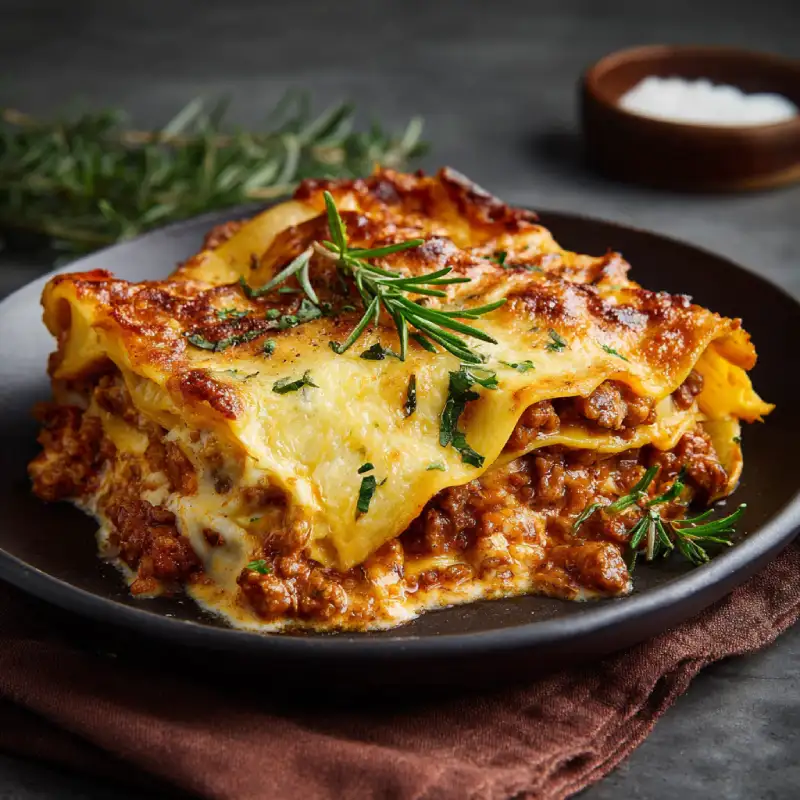
Imagine a lasagne where every layer is a revelation – tender, yielding pasta that perfectly absorbs the rich sauces, without any hint of grittiness or chewiness. For too long, those of us navigating the world of gluten-free eating have settled for store-bought versions that often fall short, either crumbling under pressure or turning into a gummy mess. But I’m here to tell you that the days of culinary compromise are over! There’s nothing quite like the satisfaction of creating something truly spectacular from scratch, and that’s precisely what you’ll achieve with these homemade gluten free lasagne sheets. I absolutely adore making my own because the difference in texture and integrity it brings to a baked lasagne is simply unparalleled. It transforms a good lasagne into an extraordinary one, offering a delicate, pliable foundation that holds up beautifully to even the heartiest fillings. Get ready to elevate your Italian cooking game to a whole new level! For more delicious creations, See more easy recipes and start your culinary journey.
How This Recipe Works for Perfect Gluten-Free Lasagne Sheets
- Achieving Pliable and Tear-Resistant Dough: This recipe carefully balances gluten-free flours with binders like xanthan gum (or relies on a high-quality blend that includes it) and eggs to create a dough that’s astonishingly elastic and easy to work with. No more frustrating tears or sticky messes on your counter!
- Ensuring a Tender Bite, Not Gummy or Gritty: The specific combination of ingredients is designed to prevent the common pitfalls of gluten-free pasta. We achieve a delicate, smooth texture that cooks beautifully into a tender, melt-in-your-mouth sheet, completely free from any unpleasant graininess or gummy residue.
- Simple Process for Consistent Results: While making pasta might sound intimidating, this guide breaks down each step into easy, manageable actions. Even if you’re a novice pasta maker, you’ll be able to produce consistently perfect gluten free lasagne sheets every single time.
- Versatility for Various Lasagne Creations: These sheets are robust enough for hearty meat sauces, delicate enough for creamy vegetable fillings, and hold their shape beautifully in any baked lasagne, ensuring a spectacular presentation and an even better dining experience.
Ingredients and Smart Substitutions
Here is what you need and why:
Gluten-Free Flour Blend: This is the heart of your pasta. I highly recommend using a high-quality, all-purpose gluten-free flour blend that specifically states it’s good for baking or pasta. Many blends (like King Arthur’s Measure for Measure or Bob’s Red Mill 1-to-1) already contain xanthan gum, which is crucial for elasticity. If your blend does not, you’ll need to add it separately. Avoid single-flour options like just rice flour, as they lack the necessary structure.
Large Eggs: Eggs are vital for binding the gluten-free flours together, providing richness, color, and contributing significantly to the dough’s elasticity and overall structure. They help prevent the pasta from becoming brittle. If you need an egg-free option, see the FAQ section below.
Olive Oil: A touch of good quality extra virgin olive oil adds pliability to the dough, makes it smoother to work with, and contributes a subtle, delicious flavor. It also helps in achieving that lovely tender texture.
Xanthan Gum: If your chosen gluten-free flour blend does not already contain xanthan gum, this ingredient is absolutely essential. It acts as a binder and thickener, mimicking the elasticity and structure that gluten provides in traditional pasta. Without it, your dough would be crumbly and unworkable.
Water: Lukewarm water is used sparingly to bring the dough together and adjust its consistency. Start with the minimum quantity and add more, a teaspoon at a time, until the dough reaches the right texture – pliable but not sticky.
Salt: A pinch of fine sea salt is crucial for enhancing the flavor of the pasta itself, ensuring your lasagne layers are seasoned from the inside out.
Step-by-Step Instructions: Rolling Out Your Gluten-Free Lasagne Sheets
1. Mixing the Dough: Combining Dry and Wet Ingredients
In a large bowl, whisk together your gluten-free flour blend (and xanthan gum if using separately) and salt. Create a well in the center. Crack the eggs into the well, add the olive oil, and about half of the lukewarm water. Using a fork, gradually incorporate the dry ingredients into the wet, working from the center outwards. Continue mixing until a shaggy dough forms. Add remaining water, a teaspoon at a time, until it comes together.
2. Kneading: Developing the Dough’s Texture
Turn the shaggy dough out onto a lightly floured surface (using extra gluten-free flour). Knead for about 5-7 minutes. Gluten-free dough won’t develop elasticity in the same way wheat dough does, but kneading helps distribute the liquids evenly, activate the xanthan gum, and make the dough smooth and cohesive. It should feel pliable and soft, not sticky or crumbly. If too dry, add a few drops of water; if too wet, add a tiny bit more flour.
3. Resting the Dough: Crucial for Workability
Form the dough into a ball, wrap it tightly in plastic wrap, and let it rest at room temperature for at least 30 minutes, or up to an hour. This resting period is absolutely crucial. It allows the gluten-free flours to fully hydrate and the xanthan gum to work its magic, resulting in a much more relaxed, pliable, and easier-to-roll dough.
4. Dividing and Shaping: Preparing for Rolling
Unwrap the rested dough. It should feel smoother and less sticky. Divide the dough into 3-4 equal portions. This makes it much easier to handle and roll. Lightly dust your workspace and rolling pin, or your pasta machine, with extra gluten-free flour.
5. Rolling by Hand or Machine: Techniques for Thin, Even Sheets
By Hand: Take one portion of dough and flatten it into a disc. Using a rolling pin, roll it out evenly from the center outwards, rotating the dough frequently and dusting lightly with flour as needed to prevent sticking. Aim for a thickness of about 1/16 to 1/32 of an inch – thin enough to see light through but not so thin that it tears. Cut into rectangles to fit your lasagne dish.
By Machine: Flatten one portion of dough into a rectangle shape so it fits the widest setting of your pasta machine. Pass it through the widest setting, then fold it into thirds and pass it through again several times (this helps strengthen the dough). Then, progressively move to narrower settings, passing the dough through each setting once, until you reach your desired thickness (usually setting 5 or 6 for lasagne sheets on most machines). Cut the long sheet into smaller, manageable rectangles.
6. Drying (Optional): Prepping for Assembly
While these gluten free lasagne sheets don’t necessarily need to be par-boiled, letting them dry slightly improves their texture and prevents them from sticking together. Lay the cut sheets flat on a clean, dry, lightly floured surface or hang them over a pasta drying rack for 15-30 minutes. Be careful not to let them become brittle; they should still be pliable.
Expert Tips for Success with Gluten-Free Lasagne Sheets
- Don’t Over-Flour Your Workspace: While a light dusting is necessary to prevent sticking, too much flour will dry out your dough, making it crumbly and difficult to roll. Use it sparingly and brush off excess flour from the rolled sheets.
- Achieve Consistent Thickness for Even Cooking: Whether by hand or machine, strive for uniform thickness across each sheet. Inconsistent thickness will lead to some parts being undercooked and gummy, while others are perfectly tender.
- Work Quickly to Prevent Drying: Gluten-free dough can dry out faster than traditional dough, especially when exposed to air. Keep unworked portions of dough covered with plastic wrap, and roll out each section efficiently.
- Troubleshooting Sticky or Crumbly Dough: If your dough is too sticky, knead in a tiny amount of additional gluten-free flour (1/2 teaspoon at a time). If it’s too crumbly and won’t come together, knead in a few drops of water. Patience is key!
- Embrace Imperfection: Don’t strive for absolute perfection on your first attempt. Homemade pasta, especially gluten-free, might have rustic edges, and that’s part of its charm. Focus on the taste and texture!
What to Serve With Your Homemade Gluten-Free Lasagne
Now that you’ve mastered these incredible gluten free lasagne sheets, it’s time to assemble your masterpiece! Here are some classic and delicious ideas for filling and accompanying your homemade lasagne:
- Classic Bolognese Sauce: A rich, slow-simmered meat sauce is the quintessential pairing for lasagne. Its deep, savory flavors beautifully complement the tender pasta sheets.
- Hearty Vegetable-Based Fillings: For a vegetarian option, layers of roasted vegetables like zucchini, eggplant, bell peppers, spinach, and mushrooms combined with a good marinara sauce and ricotta cheese create a vibrant and flavorful lasagne.
- Creamy Béchamel Sauce: An essential component of many traditional lasagne recipes, a smooth béchamel adds an unparalleled creamy richness that binds all the layers together.
- Simple Side Salad: A crisp green salad with a light vinaigrette perfectly balances the richness of the lasagne.
- Garlic Bread (Gluten-Free, of course!): A classic companion to sop up any delicious extra sauce.
Storing and Reheating Gluten-Free Lasagne Sheets
Proper storage is key to enjoying your homemade gluten free lasagne sheets, whether fresh or as a finished dish.
- Storing Fresh Sheets: If you plan to use the sheets within a day or two, lightly dust them with gluten-free flour, stack them between sheets of parchment paper, and place them in an airtight container in the refrigerator.
- Freezing Uncooked Sheets: For longer storage, you can freeze uncooked sheets. Dust them with flour, lay them flat on a baking sheet lined with parchment, and freeze until solid. Once frozen, transfer to a freezer-safe bag or container, separated by parchment. They can be stored for up to 1 month. Thaw in the refrigerator before using.
- Assembling and Freezing Prepared Lasagne: You can assemble the entire lasagne in an oven-safe dish, cover it tightly with foil and then plastic wrap, and freeze it uncooked. Label with the date. When ready to bake, thaw overnight in the refrigerator, then bake as directed, adding extra baking time if needed.
- Reheating Baked Lasagne Safely: Leftover baked lasagne can be stored in an airtight container in the refrigerator for 3-4 days. To reheat individual portions, use the microwave. For a whole lasagne, cover loosely with foil and reheat in a preheated oven at 350°F (175°C) until warmed through, about 20-30 minutes, removing foil for the last 10 minutes if you want crispier edges.
FAQ: Your Gluten-Free Lasagne Sheet Questions Answered
Can I make these sheets egg-free?
Yes, you can! For an egg-free version, replace each large egg with a ‘flax egg’ (1 tablespoon ground flaxseed meal mixed with 3 tablespoons water, let sit for 5 minutes until gelled). You might need to adjust the water slightly as the dough comes together, as flax eggs can absorb more moisture. The texture might be slightly less rich, but still very workable.
How thin should I roll the sheets?
For perfect gluten free lasagne sheets, aim for a thickness of about 1/16 to 1/32 of an inch. If using a pasta machine, this is typically setting 5 or 6 (depending on your machine). You should be able to see the shadow of your hand through the sheet. Too thick, and your lasagne will be too dense; too thin, and it might tear easily.
Do I need to par-boil these sheets?
No, you typically do not need to par-boil these fresh, homemade gluten free lasagne sheets. When assembled in your lasagne, the moisture from the sauces will cook the sheets perfectly in the oven, resulting in a tender texture. Par-boiling can sometimes make gluten-free pasta too delicate and prone to breaking.
What’s the best gluten-free flour blend for pasta?
The ‘best’ blend can be subjective, but I highly recommend a high-quality all-purpose gluten-free flour blend labeled for baking or pasta. Look for blends that already contain xanthan gum for ease and consistent results. Brands like King Arthur’s Measure for Measure, Bob’s Red Mill 1-to-1 Baking Flour, or Cup4Cup often yield excellent results for gluten-free pasta.
Homemade Gluten-Free Lasagne Sheets
- Total Time: 20 minutes
- Yield: 12-16 lasagne sheets (enough for 1 large lasagne)
Description
Craft your own delicious gluten-free lasagne sheets at home for the ultimate tender and flavorful lasagne experience. This recipe ensures pliable, tear-resistant pasta that holds up beautifully to any sauce.
Ingredients
- 2 cups (240g) high-quality gluten-free all-purpose flour blend (with xanthan gum, or add separately)
- 1/2 teaspoon xanthan gum (if your flour blend does not contain it)
- 1/2 teaspoon fine sea salt
- 2 large eggs
- 1 tablespoon extra virgin olive oil
- 1/4 cup (60ml) lukewarm water (plus 1–2 tablespoons more, if needed)
Instructions
- 1. Mix Dry Ingredients: In a large bowl, whisk together the gluten-free flour blend, xanthan gum (if using), and salt. Create a well in the center.
- 2. Combine Wet Ingredients: Crack eggs into the well, add olive oil, and 1/4 cup lukewarm water. Using a fork, gradually incorporate the dry ingredients into the wet until a shaggy dough forms. Add extra water, 1 teaspoon at a time, if needed, until the dough comes together.
- 3. Knead the Dough: Turn the dough onto a lightly floured surface. Knead for 5-7 minutes until the dough is smooth and pliable. It should not be sticky or crumbly.
- 4. Rest the Dough: Form into a ball, wrap tightly in plastic wrap, and rest at room temperature for at least 30 minutes.
- 5. Divide and Flatten: Unwrap the dough, divide into 3-4 portions. Flatten one portion into a disc or rectangle.
- 6. Roll Sheets: Roll by hand or using a pasta machine to a thickness of about 1/16 to 1/32 inch (typically setting 5 or 6 on a pasta machine). Cut into desired lasagne sheet sizes.
- 7. Dry (Optional): Lay sheets on a lightly floured surface or hang them for 15-30 minutes to dry slightly before assembly.
- Prep Time: 20 mins
- Cook Time: 0 mins (for sheets, more for assembly)