


Table of Contents
- Yes, Tzatziki Sauce is Naturally Gluten-Free (And Here’s How to Make It Perfectly)
- Essential Ingredients & Smart Substitutions
- Your Step-by-Step Guide to Perfect Gluten-Free Tzatziki
- Chef’s Notes: Expert Tips for Tzatziki Success
- Delicious Pairings: What to Serve with Your Gluten-Free Tzatziki
- Storing & Reheating Your Homemade Tzatziki
- Tzatziki FAQs (Gluten-Free Edition)
Yes, Tzatziki Sauce is Naturally Gluten-Free (And Here’s How to Make It Perfectly)
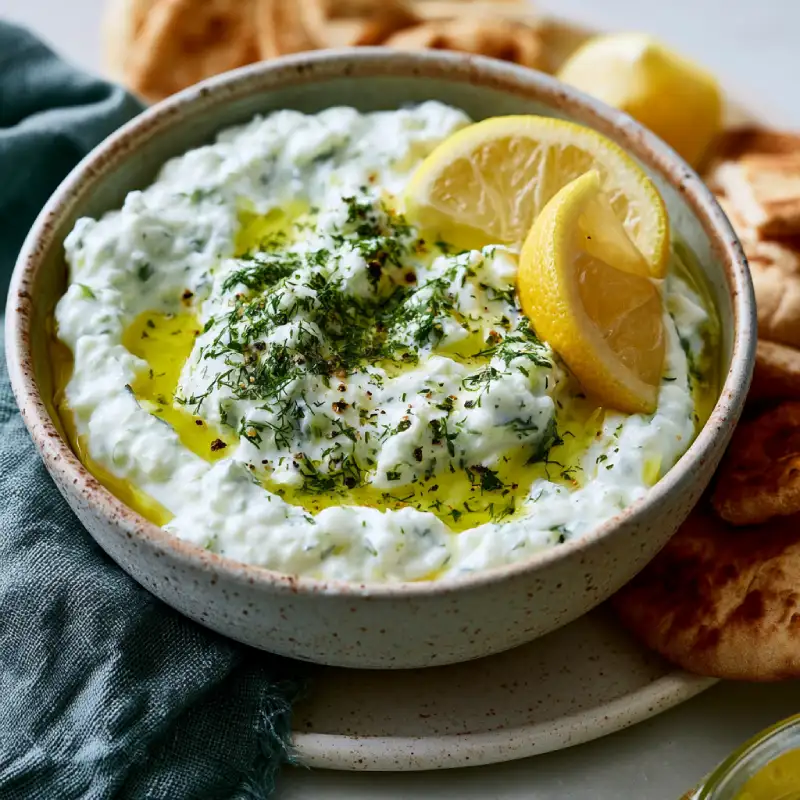
Imagine a creamy, cooling, and utterly refreshing dip, bursting with vibrant flavors of cucumber, garlic, and fresh dill. That, my friends, is tzatziki! And often, the first question I get when discussing this Mediterranean marvel, especially from those navigating dietary restrictions, is: is tzatziki sauce gluten free? The answer, to the delight of many, is a resounding YES! In its traditional form, tzatziki is inherently free from gluten, making it a fantastic and healthy option for almost everyone. Get ready to dive into the world of homemade tzatziki with a recipe that guarantees perfection every single time. It’s so much more satisfying than store-bought, and you control every fresh, delicious ingredient. You’ll find more easy, delicious, and diet-friendly recipes like this on my blog, so See more good recipes here to expand your culinary repertoire!
Why Trust This Recipe? My Journey to Gluten-Free Flavor
As a passionate food blogger and home baker who’s delved deep into understanding ingredients and their roles, I’ve spent countless hours perfecting recipes, particularly those accommodating various dietary needs. My journey into gluten-free cooking began out of necessity and evolved into a genuine love for crafting delicious, wholesome food that everyone can enjoy. This tzatziki recipe is a culmination of trial and error, focusing on authentic flavors and textures while ensuring it remains naturally gluten-free. I’ve tested various yogurts, experimented with cucumber preparations, and fine-tuned the herb-to-garlic ratio to bring you a tzatziki that’s not just gluten-free, but unbelievably delicious.
What Makes a Great Tzatziki? Texture & Flavor Breakdown
A truly great tzatziki walks a fine line between a rich creaminess and a refreshing lightness. The texture should be thick enough to cling to a pita or a crudité, yet smooth and not watery. This is achieved by carefully controlling the moisture content of the yogurt and cucumber. Flavor-wise, it’s a symphony: the bright, almost peppery coolness of fresh cucumber, the pungent kick of raw garlic (balanced, never overpowering!), the aromatic lift of fresh dill, and the tangy brightness of lemon or vinegar. A hint of good olive oil brings everything together, adding a silky finish. It’s this delicate balance that transforms simple ingredients into an unforgettable dip.
Essential Ingredients & Smart Substitutions
Here is what you need and why:
Creamy Base: Decoding Yogurt Choices (Dairy & Dairy-Free)
The heart of tzatziki is undoubtedly the yogurt. For traditional tzatziki, full-fat plain Greek yogurt is paramount. Its thickness and rich flavor provide the perfect canvas. If you’re dairy-free, opt for a thick, unsweetened plain non-dairy yogurt, such as coconut or almond-based. Ensure it’s specifically Greek-style for that desired consistency. Brands like Fage (dairy) or Kite Hill (dairy-free) are excellent choices. Avoid thinner yogurts as they will result in a watery dip.
The Humble Cucumber: Why Prep Matters
English or Persian cucumbers are ideal here. They have fewer seeds and thinner skins than standard cucumbers, meaning less bitterness and less work. The key to a non-watery tzatziki is properly preparing the cucumber. Grating and then thoroughly squeezing out excess water prevents your dip from becoming a watery mess. This step is non-negotiable for achieving that perfect creamy texture.
Garlic: Fresh vs. Powdered Impact
For authentic tzatziki, fresh garlic is an absolute must. Its pungent, spicy notes are crucial to the dip’s character. Finely mincing or grating fresh cloves releases their full flavor. Garlic powder simply won’t yield the same vibrant intensity; it can taste flat by comparison. Start with 1-2 cloves and add more to taste.
Herbs & Seasoning: Fresh Dill is Key
Fresh dill is the star herb in tzatziki. Its feathery texture and distinctive slightly anise-like flavor are irreplaceable. Don’t skimp on it! Finely chopped fresh dill elevates the dip. While a tiny pinch of dried might work in a pinch, fresh is always superior. A pinch of salt and freshly ground black pepper enhances all the flavors.
Acid & Fat: Lemon Juice vs. Vinegar, Olive Oil’s Role
A touch of acid brightens the tzatziki. Fresh lemon juice offers a zesty, clean tang. Alternatively, red wine vinegar can be used for a slightly sharper, more traditional Greek flavor. Both work wonderfully. Finally, a drizzle of high-quality extra virgin olive oil at the end adds a luxurious mouthfeel and deepens the overall flavor profile. It’s not just for garnish; it truly rounds out the dip.
Your Step-by-Step Guide to Perfect Gluten-Free Tzatziki
Follow these step-by-step photos:
1. Prep the Cucumber (Squeeze for Success)
Begin by washing your cucumber. If using an English cucumber, you might choose to peel it partially or leave the skin on for more color and fiber. For regular cucumbers, peeling and seeding are recommended. Grate the cucumber using the large holes of a box grater. Place the grated cucumber in a clean kitchen towel or several layers of cheesecloth. Gather the edges and twist tightly, squeezing out as much liquid as humanly possible. This step is critical; don’t rush it! Excess water will make your tzatziki runny.
2. Mince the Garlic (The Finer, the Better)
Peel your garlic cloves. Using a garlic press, finely mince with a sharp knife, or grate on a microplane. The goal is to get the garlic as fine as possible so it disperses evenly throughout the dip without overwhelming any single bite. Starting with 1-2 cloves is a good idea; you can always add more.
3. Combine All Ingredients (Thorough Mixing for Flavor)
In a medium mixing bowl, combine the thoroughly drained cucumber, minced garlic, Greek yogurt (dairy or dairy-free), finely chopped fresh dill, lemon juice or red wine vinegar, salt, and freshly ground black pepper. Mix thoroughly with a spoon or spatula until all ingredients are well incorporated and evenly distributed. Make sure no pockets of unmixed yogurt remain.
4. Chill for Best Flavor (Patience is a Virtue)
Once mixed, cover the bowl and refrigerate your tzatziki for at least 30 minutes, or ideally, 2-4 hours. Chilling allows the flavors to meld and deepen, resulting in a more harmonious and delicious dip. The cold also helps the dip firm up slightly. Just before serving, give it one final stir and drizzle with a good quality extra virgin olive oil. For an external resource on Mediterranean cooking, check out this great article from Food Network.
Chef’s Notes: Expert Tips for Tzatziki Success
- Achieving the Right Consistency: Draining Yogurt & Cucumber: The single most important tip for thick, creamy tzatziki is to drain both your cucumber AND your yogurt (if it’s not already thick Greek yogurt). For yogurt, line a colander with cheesecloth and let it drip in the fridge for a few hours or overnight. For cucumber, squeeze until your hands hurt!
- Flavor Development: Letting it Rest: Patience truly is a virtue here. While it’s tempting to dig in immediately, the flavors of garlic, dill, and cucumber need time to marry and meld. A minimum of 30 minutes in the fridge is good, but 2-4 hours is better. Overnight is divine!
- Adjusting Seasoning: Taste as You Go: Always taste and adjust seasoning just before serving. Salt levels can change slightly as the dip rests. You might want a little more salt, pepper, or a touch more lemon juice for brightness.
- Don’t Be Shy with Dill: Fresh dill is a defining characteristic of amazing tzatziki. Don’t be afraid to use a generous amount.
Delicious Pairings: What to Serve with Your Gluten-Free Tzatziki
Tzatziki is incredibly versatile and pairs beautifully with a myriad of dishes:
- Classic Greek Mezze (GF Options): Serve alongside gluten-free pita bread or crackers, Kalamata olives, feta cheese, dolmades (check for GF!), and fresh vegetable sticks.
- Grilled Meats & Vegetables: It’s the perfect cooling accompaniment to grilled chicken souvlaki, lamb kebabs, grilled salmon, or simply grilled zucchini, eggplant, and bell peppers.
- Healthy Dipping Options: Great with carrot sticks, cucumber slices, bell pepper strips, celery, radicchio leaves, or even apple slices for a surprising twist. It also makes a fantastic spread for gluten-free sandwiches or wraps.
Storing & Reheating Your Homemade Tzatziki
Shelf Life & Best Practice Storage:
Homemade tzatziki stores beautifully in an airtight container in the refrigerator for up to 3-4 days. The flavors will continue to develop, often tasting even better on the second day. Remember to give it a good stir before serving, as a little liquid might separate on top – this is normal.
Does Tzatziki Reheat Well? (Spoiler: Not Really)
No, tzatziki does not reheat well at all. It’s meant to be served chilled or at cool room temperature. Heating it would curdle the yogurt, alter the texture completely, and diminish the fresh, vibrant flavors of the dill and cucumber. Always enjoy tzatziki cold for the best experience.
Tzatziki FAQs (Gluten-Free Edition)
Is store-bought tzatziki always gluten-free?
Can I use frozen cucumber?
What’s the best yogurt for tzatziki?
How can I make my tzatziki thicker?
Perfect Gluten-Free Tzatziki Sauce
- Total Time: 15 minutes
- Yield: 1.5 cups (approx.)
Description
A delightful and refreshing homemade tzatziki that’s naturally gluten-free, creamy, and bursting with fresh flavors. Perfect for dipping or as a vibrant accompaniment to your favorite Mediterranean dishes.
Ingredients
- 1 large English cucumber (or 2 Persian cucumbers)
- 1.5 cups full-fat plain Greek yogurt (dairy or dairy-free)
- 2–3 cloves fresh garlic, minced
- 2 tablespoons fresh dill, finely chopped
- 1 tablespoon fresh lemon juice or red wine vinegar
- 1/2 teaspoon salt (or to taste)
- 1/4 teaspoon black pepper (or to taste)
- 1–2 tablespoons extra virgin olive oil, for drizzling
Instructions
- Grate the cucumber and firmly squeeze out all excess liquid using a clean kitchen towel or cheesecloth.
- In a medium bowl, combine the drained cucumber, minced garlic, Greek yogurt, fresh dill, lemon juice (or vinegar), salt, and pepper.
- Stir until all ingredients are well combined and evenly distributed.
- Cover the bowl and refrigerate for at least 30 minutes, ideally 2-4 hours, to allow the flavors to meld.
- Before serving, give the tzatziki a final stir and drizzle with extra virgin olive oil.
- Serve chilled with your favorite gluten-free dippers or grilled foods.
- Prep Time: 15 mins
- Cook Time: 0 mins